Supreme Court Allows Lakhimpur Kheri Case Accused to Return Home for Diwali
The Supreme Court granted permission for Ashish Mishra, son of a former minister implicated in the Lakhimpur Kheri killings, to travel to his hometown for the Diwali festival. The order sparked debate over judicial discretion in high‑profile criminal matters.
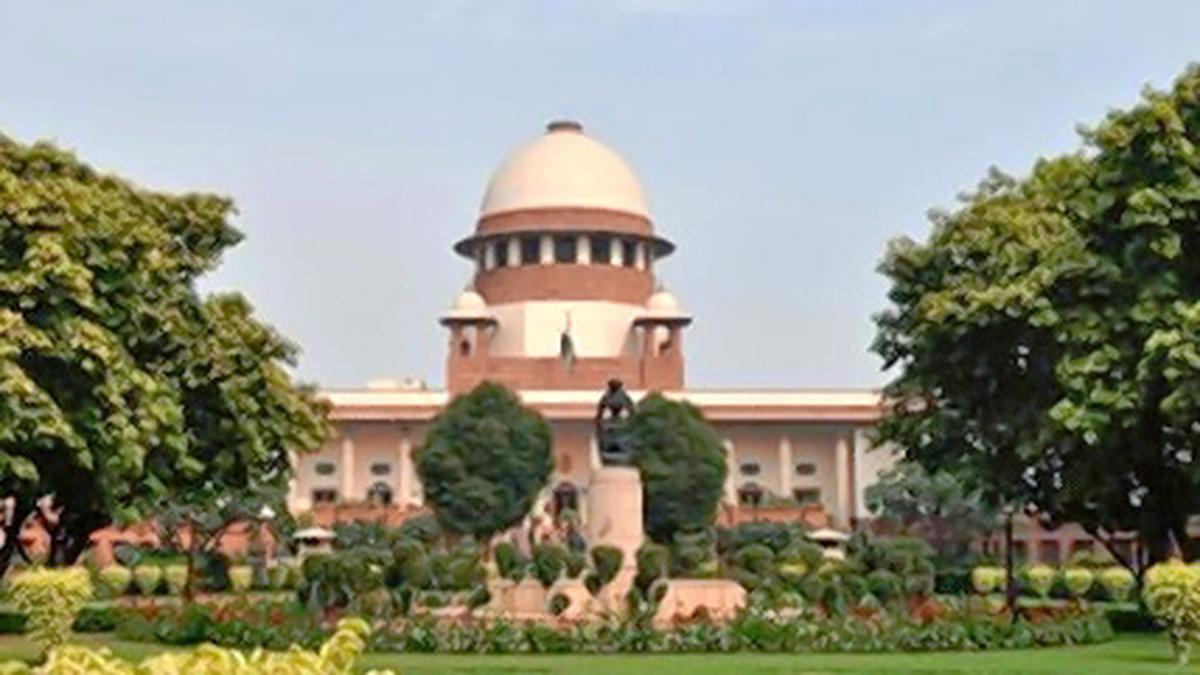
In a rare procedural relief, the Supreme Court permitted Ashish Mishra to leave the courtroom and join his family in Lakhimpur Kheri for the Diwali celebrations, despite the ongoing murder trial linked to the 2021 incident that claimed the lives of eight labourers. The bench emphasized that the permission was limited to a short, supervised visit and did not affect the substantive proceedings. The decision was announced amid a flurry of media coverage, underscoring the delicate balance between personal liberty and the demands of a high‑stakes criminal case.
The episode highlights the tension between political influence and judicial independence, as Mishra's family maintains close ties to the ruling party in Uttar Pradesh. Critics argue that the relief could be perceived as a concession to powerful interests, potentially eroding public confidence in the court's impartiality. Legal commentators note that the Supreme Court has been navigating a surge of petitions seeking procedural leniency for politically connected defendants, a trend that tests the robustness of procedural safeguards. The order therefore reflects not only a narrow legal judgment but also the broader contest over the judiciary's role in politically charged investigations.
The immediate fallout includes renewed scrutiny of the Lakhimpur Kheri case by human‑rights organisations, which warn that any perceived favoritism may inflame public anger ahead of the upcoming state elections. Political analysts suggest that the ruling could embolden other defendants to seek similar relief, potentially reshaping courtroom dynamics across the country. Moreover, the episode may influence voter sentiment, as parties position themselves either as defenders of law and order or as protectors of their own, a narrative that could shape electoral outcomes in the coming months.
Comments 0