Microbial Foundation of Existence; CUSB Researchers Illuminate Cellular Survival Mechanisms
Scientists at the Central University of South Bihar have published findings detailing the fundamental physiological roles played by human microbiome consortia. This research underscores how symbiotic microorganisms dictate systemic human health and metabolic resilience.
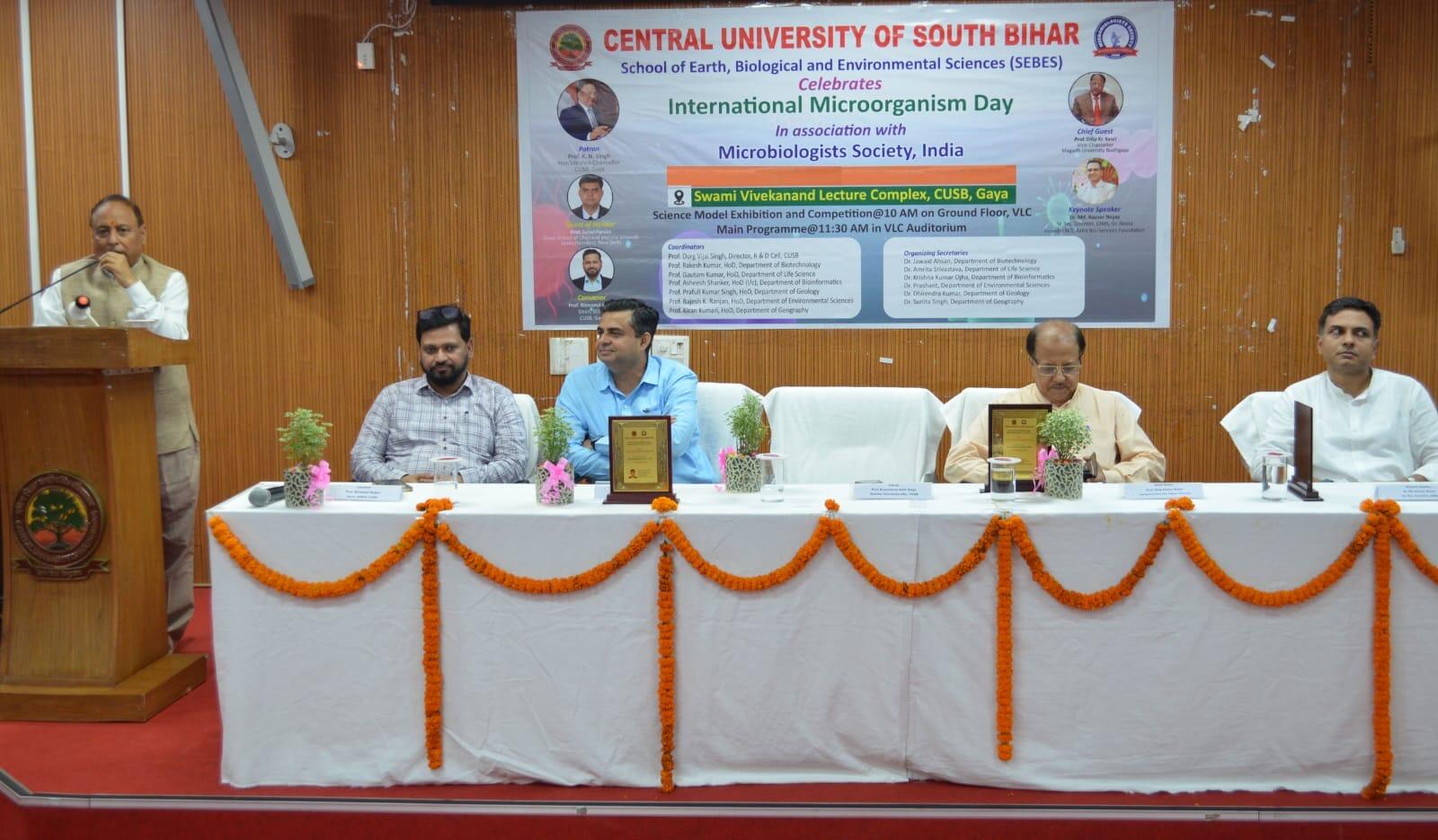
Modern medical science increasingly recognizes that the human body functions as a complex superorganism rather than a solitary biological entity. Researchers at the Central University of South Bihar have advanced this understanding by mapping specific microbial interactions that govern immune modulation, nutrient synthesis, and cellular protection against pathogenic invasion. Their work highlights how disruptions in microbial diversity directly correlate with chronic autoimmune disorders, metabolic syndromes, and accelerated neurodegenerative decline. This scientific inquiry exposes critical gaps in contemporary pharmacological approaches that historically treated the human body in isolation from its symbiotic flora. Pharmaceutical conglomerates and biomedical researchers now face mounting pressure to shift from broad-spectrum antibiotic interventions toward precision microbiome therapeutics, including targeted prebiotics and fecal microbiota transplantation protocols. However, commercializing these therapies introduces severe regulatory hurdles regarding standardization, patentability, and quality control of living biological products. The long-term outcome of this research agenda will reshape preventative healthcare paradigms, shifting clinical focus from disease management to microbial ecosystem optimization. As diagnostic tools become more sophisticated, personalized microbiome profiling will likely become a standard component of routine medical diagnostics, altering dietary and therapeutic interventions worldwide.
Comments 0