Mumbai pollution sensors show sharp AQI gaps; construction site records improbable 16, raising data reliability concerns
Recent data from Mumbai’s air‑quality monitoring network revealed large gaps in AQI readings, and a construction site reported an unusually low AQI of 16, raising doubts about sensor reliability. The discrepancy has prompted calls for a review of the city’s monitoring system.
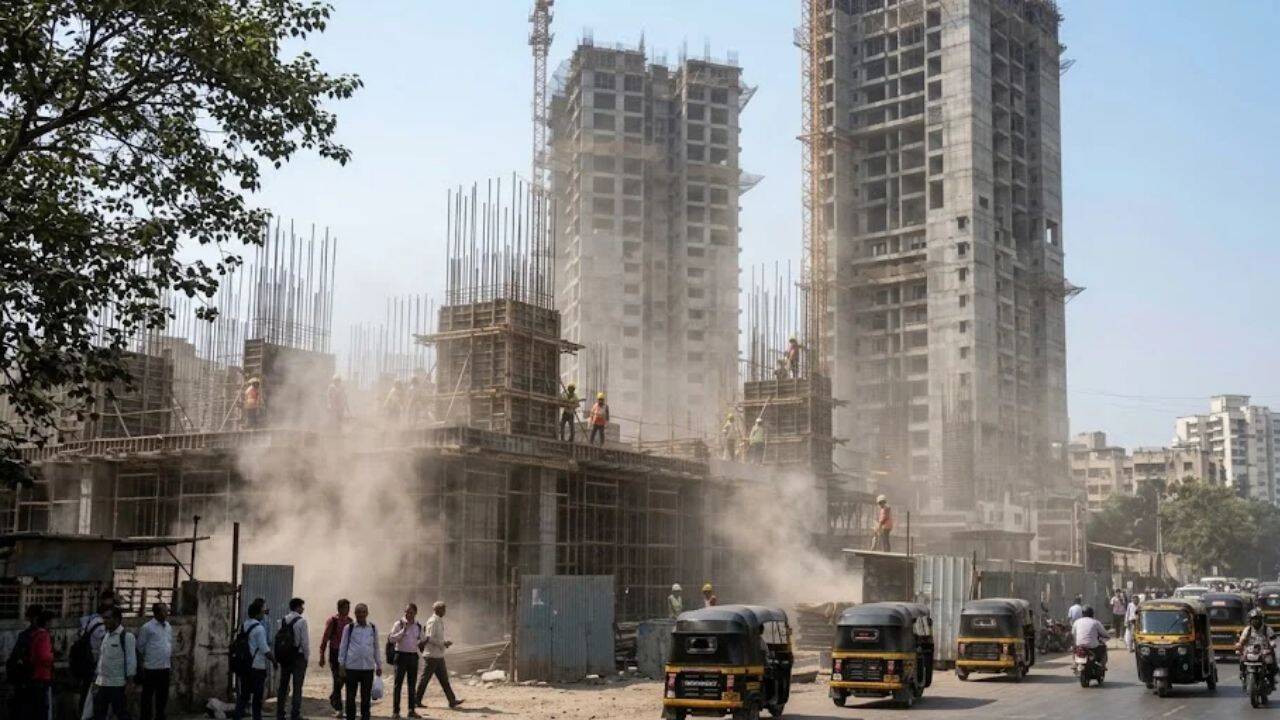
Mumbai’s network of air‑quality sensors, which continuously records the Air Quality Index (AQI) across the city, has shown significant inconsistencies in recent weeks. While most stations reported moderate to high pollution levels, a handful of sensors displayed gaps where no data was recorded for several hours. In addition, a sensor located at an active construction site logged an AQI of 16, a figure that is far lower than surrounding readings and inconsistent with on‑ground observations of dust and traffic emissions.
The anomalies have sparked concern among environmental experts and city officials who rely on accurate AQI data to issue health advisories and guide policy decisions. Sensors can be affected by technical faults, power interruptions, or calibration errors, and the recent gaps suggest that maintenance protocols may need strengthening. The unusually low reading from the construction site, in particular, raises questions about the placement of sensors in high‑activity zones and whether the equipment is properly shielded from interference.
For residents of Mumbai, reliable AQI information is essential for daily decisions such as commuting routes, outdoor exercise, and the use of protective masks. Inaccurate data can lead to underestimation of health risks, especially for vulnerable groups like children, the elderly, and those with respiratory conditions. Authorities have indicated that they will audit the sensor network, recalibrate affected units, and consider adding redundancy to improve data continuity.
Comments 0