Rahul Gandhi’s Accusations of Fascism Deepen India’s Political Fracture
At the Bharat Summit, Rahul Gandhi declared that India is no longer a democracy, accusing the current government of being run by fascists. This rhetoric marks a significant escalation in the opposition’s narrative, framing the ruling party’s governance as an existential threat to democratic institutions rather than a standard political disagreement.
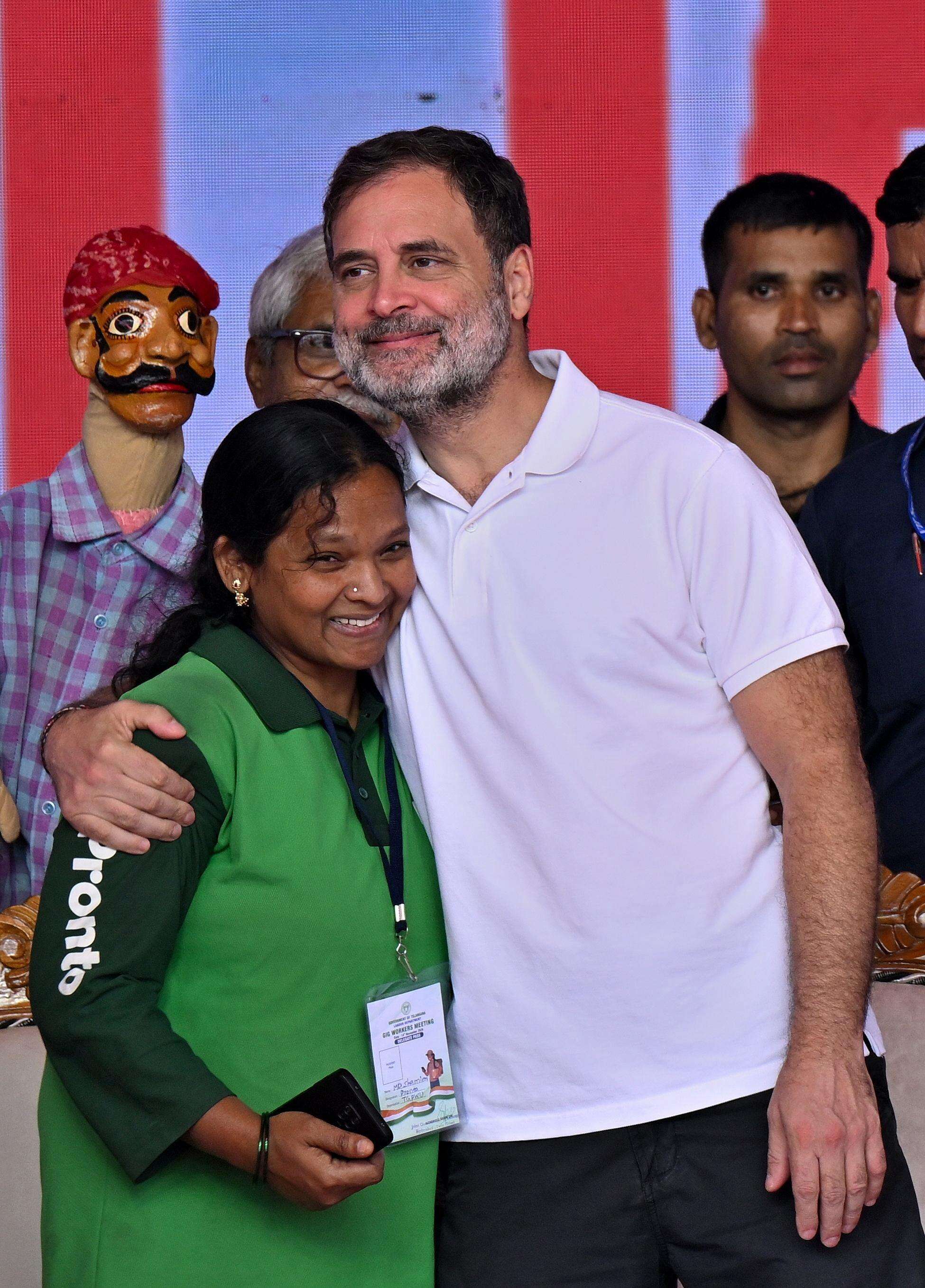
The concrete rupture in India’s political discourse was solidified when Rahul Gandhi, addressing the Bharat Summit, moved beyond conventional criticism to label the current administration as fascist and the nation as having lost its democratic character. This statement was not merely a rhetorical flourish but a deliberate attempt to reframe the political contest from one of policy differences to a struggle for the survival of democratic norms. By using such potent terminology, the opposition leader sought to galvanize his base and international observers, positioning the upcoming political battles as a defense of constitutional values against authoritarian encroachment.
The underlying tension driving this rhetoric stems from a deep-seated institutional friction between the ruling party’s consolidation of power and the opposition’s perception of eroding checks and balances. For years, the opposition has argued that the centralization of authority, the control of media narratives, and the legal challenges faced by dissenters have created a system that operates outside the spirit of democracy. This narrative has gained traction in certain urban and educated demographics, where the perception of institutional capture is a primary concern, leading to a polarization that transcends traditional caste and regional lines.
The tangible outcome of such high-stakes rhetoric is a further hardening of political identities, making compromise increasingly difficult. By framing the current government as an existential threat, the opposition risks alienating moderate voters who may view the language as hyperbolic, while simultaneously energizing a base that feels marginalized. This dynamic contributes to a political environment where dialogue is replaced by confrontation, and where the legitimacy of the state is constantly contested in the public sphere, potentially destabilizing the social contract that underpins India’s democratic experiment.
Comments 0