Redrawing the Maritime Map: Energy Conglomerates Finance a Fragmented Global Order
State-backed energy giants are committing billions of dollars to secure longer, more circuitous maritime trade routes in response to persistent geopolitical instability. This massive capital reallocation signals a permanent departure from optimized global supply chains toward a highly securitized and expensive logistics network.
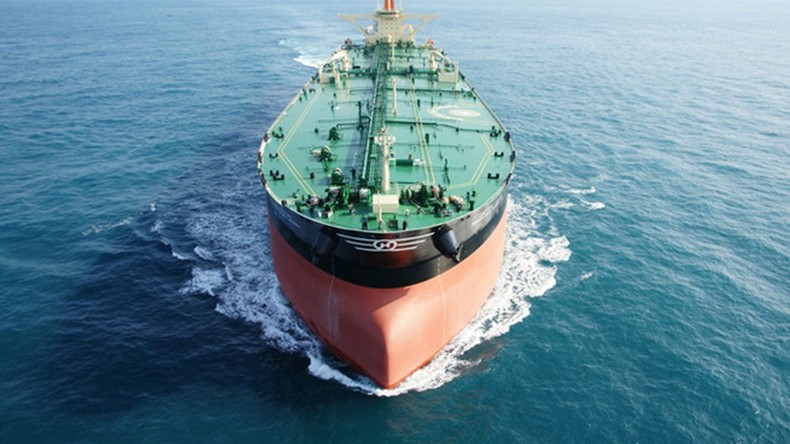
The decision by major state-backed energy enterprises, including Abu Dhabi's ADNOC investment arm, to deploy immense capital into extended shipping routes represents a fundamental shift in global commerce. Rather than treating maritime disruptions as temporary crises, these conglomerates are pricing in a permanently fractured world where tankers must routinely bypass traditional choke points. This capital deployment is financing the acquisition of larger fleets and the construction of deep-water infrastructure designed specifically for prolonged voyages around the Cape of Good Hope. This strategic realignment exposes the deep friction between the economic necessity of cheap transit and the harsh realities of modern statecraft. As regional conflicts and maritime piracy render historic trade corridors unreliable, the institutional consensus that once guaranteed free and efficient passage across the oceans has collapsed. Energy companies are no longer relying on international security guarantees; instead, they are taking unilateral financial measures to insulate their supply chains from state-sponsored aggression and regulatory volatility. The immediate casualties of this transition are the consumer economies of Europe and Asia, which must now absorb the compounding costs of extended transit times and inflated insurance premiums. Conversely, the clear winners are the major maritime logistics firms and shipbuilders who are experiencing an unprecedented surge in demand for long-range vessels. Ultimately, this restructuring will embed higher structural inflation into the global economy, permanently raising the baseline cost of energy distribution.
Comments 0