The Liquefied Gas Squeeze That Resets Global Energy Markets
European buyers have aggressively outbid Asian importers for vital liquefied natural gas shipments, driving spot market prices upward by a staggering one hundred and fifty percent. This sudden surge forces industrial economies across both continents to absorb crippling energy expenses as winter demand intensifies.
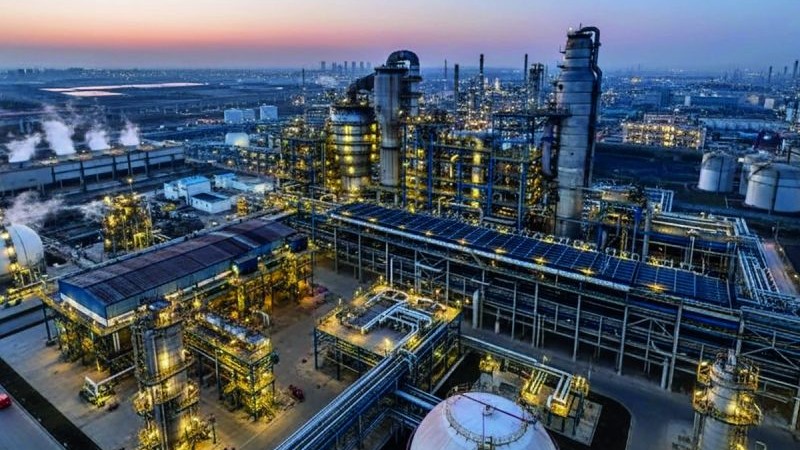
The global energy architecture has fractured along supply lines as European utilities aggressively intercept liquefied natural gas cargoes destined for Asian ports. Driven by depleted regional reserves and an unrelenting urgency to secure heating fuels before deep winter sets in, European buyers have leveraged their financial muscle to sweep the spot market. Asian importers, facing these punishing premiums, have simply been priced out of transactions they previously dominated, creating an immediate scramble for alternative power generation. This aggressive bidding war exposes the structural fragility of maritime energy trade when regional pipelines fail to compensate for geopolitical shortfalls. European nations find themselves trapped in a reactive posture, paying exorbitant rates out of sheer necessity while abandoning long-term budgetary restraint. Meanwhile, Asian economies are forced to pivot toward dirtier coal combustion to keep domestic grids operational, reversing hard-won emissions reductions in a desperate bid to maintain industrial output. Industrial manufacturers across manufacturing centers now face severe margin compression or outright production halts as utility bills multiply exponentially. The ultimate casualty of this market realignment is price stability across the developing world, where smaller nations can no longer compete for fuel vessels diverted toward the highest bidder. Over the coming quarters, this capital drain will accelerate inflation, bankrupt regional distributors, and permanently alter how nations contract long-term energy supplies.
Comments 0