Severe Weather Disruptions Gripping Kashmir Following Unseasonal Heavy Rainfall And Snowfall
Unseasonal weather patterns have brought heavy rain and early snowfall to high-altitude regions of Kashmir, blanketing popular tourist resorts. While the precipitation delights winter tourism operators, it simultaneously threatens vital transit routes and halts essential agricultural activities.
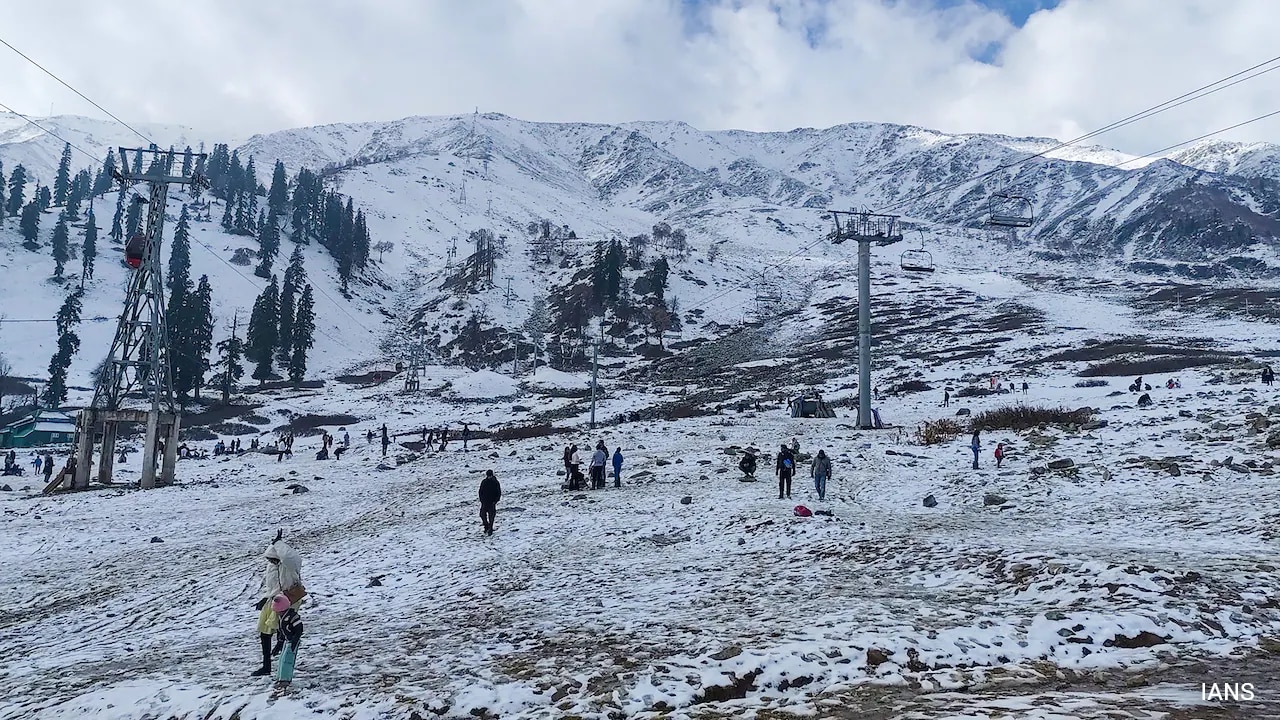
The picturesque valleys and high-altitude passes of Kashmir have experienced an abrupt meteorological shift, as unseasonal rain and heavy snowfall sweep across the region. Iconic tourist destinations such as Gulmarg and Sonamarg have been transformed into wintry landscapes weeks ahead of the traditional winter schedule, drawing immediate attention from travelers and tourism boards eager for an early seasonal boom. However, this sudden atmospheric disturbance also brings severe operational challenges for local administration and residents unprepared for early sub-zero temperatures.
The underlying vulnerability of the region's infrastructure becomes starkly apparent during such weather anomalies, as vital mountain passes face immediate closure due to accumulation and the constant threat of landslides. Connectivity between remote districts and the regional capital is frequently severed, disrupting the supply chain for essential commodities and medical supplies. Local farmers, whose late-harvest agricultural cycles depend on stable meteorological conditions, face significant crop damage and financial distress from the unannounced deep freeze.
The immediate aftermath leaves regional authorities scrambling to deploy snow-clearance machinery while managing stranded tourists across vulnerable highway stretches. While the long-term prognosis for winter tourism remains exceptionally strong due to the heavy snow cover, the immediate disruption highlights the accelerating volatility of regional weather patterns driven by broader climatic shifts. Communities must now adapt their logistical planning to withstand increasingly unpredictable seasonal transitions.
Comments 0