Urban Transit Expansion Transforms Metropolitan Commuting With New Metro Corridors
Prime Minister Narendra Modi has inaugurated the latest phase of urban transit expansion, opening the Bengaluru Metro Pink Line. This massive infrastructure milestone promises to alleviate severe vehicular congestion while reshaping real estate valuation and commuter flows across the southern metropolis.
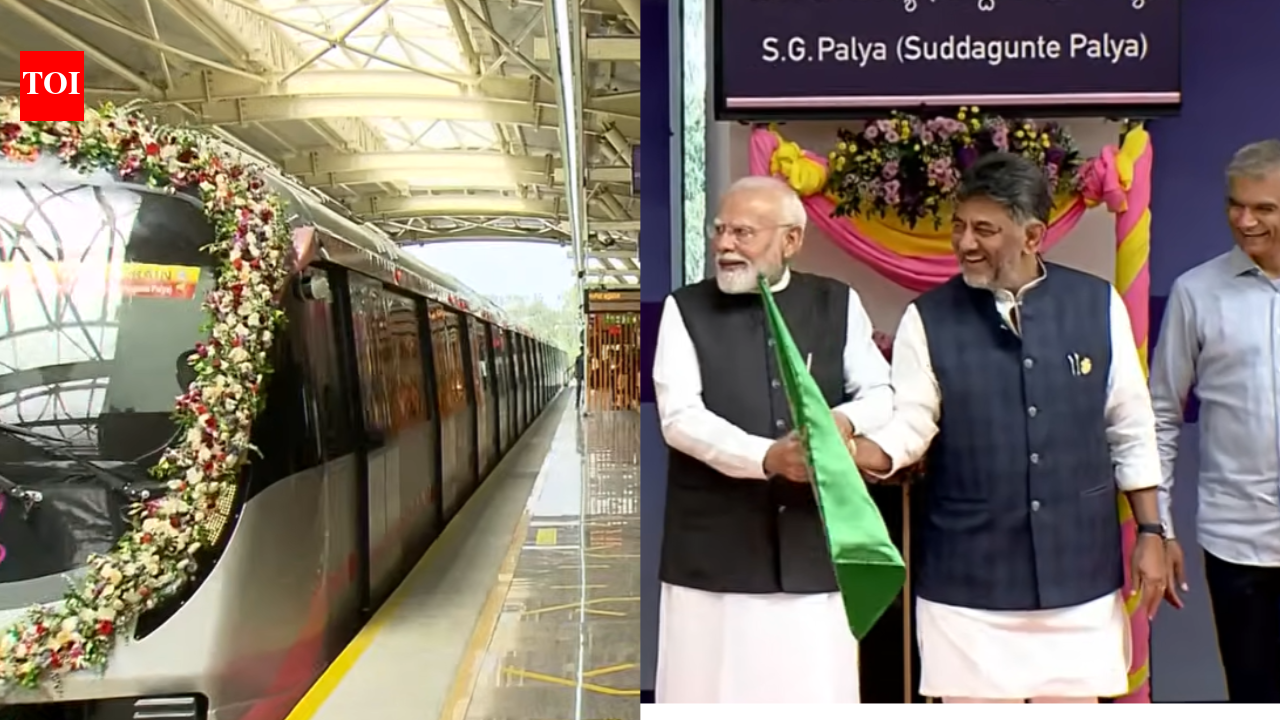
The metropolitan of Bengaluru has achieved a significant transit milestone with the official inauguration of the much-anticipated Metro Pink Line by the central executive leadership. Designed to connect dense residential corridors with primary commercial districts, this new stretch of rapid transit aims to alleviate the crippling gridlock that routinely paralyzes urban mobility in India's technology capital. Millions of daily commuters now possess a reliable, high-capacity alternative to road transport, promising a profound reduction in vehicular emissions and transit times.
Behind the celebratory ribbon-cutting lies years of complex land acquisition disputes, engineering hurdles, and substantial financial outlays that tested the resolve of municipal corporations and state agencies. Urban planners have long warned that Bengaluru was reaching a saturation point where traditional road expansion could no longer keep pace with explosive vehicle registration numbers. The Pink Line represents a structural intervention, shifting the urban transport paradigm away from private automobiles toward integrated, rail-based mass transit systems that can sustain future economic growth.
The immediate economic beneficiaries include commercial establishments situated near the newly minted stations, alongside residential communities that now enjoy seamless connectivity to the urban core. Conversely, traditional auto-rickshaw operators and last-mile transport providers face immediate competitive pressures, forcing a rapid adaptation of their business models. As patronage numbers stabilize over the coming months, the success of this corridor will serve as a definitive benchmark for similar metro projects currently underway in other Tier-1 Indian cities.
Comments 0