Oil Marketing Margins Remain Compressed Despite Moderating International Crude Prices
State-backed oil marketing companies continue to endure severe financial losses on domestic petrol and diesel sales despite easing global crude prices. This ongoing margin compression strains public sector balance sheets and revives intense debate over retail fuel pricing autonomy.
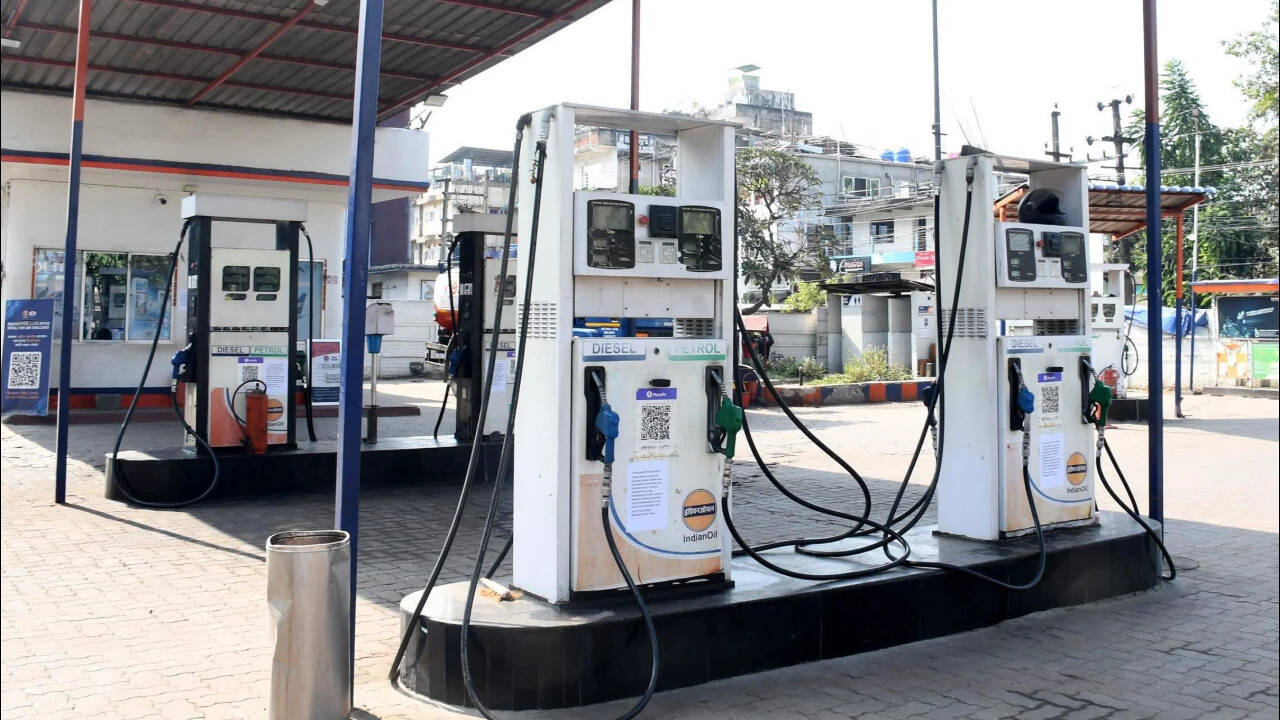
Financial analysts have raised renewed concerns regarding the profitability of state-backed oil marketing companies, which continue to absorb substantial losses on retail petrol and diesel sales despite a general moderation in international crude oil prices. This persistent margin compression occurs because retail pricing mechanisms have remained artificially suppressed to shield consumers from inflationary pressures, leaving public sector enterprises to bear the financial burden of market discrepancies.
The tension between sovereign social welfare mandates and corporate profitability creates a complex dilemma for financial markets and institutional investors holding shares in these energy giants. While crude oil prices fluctuate based on global macroeconomic conditions, domestic retail rates have largely remained insulated due to prevailing political calculations. Consequently, the capital expenditure programs of these vital energy firms are severely constrained, delaying necessary upgrades in refining capacities and green energy investments.
The immediate losers in this structural imbalance are the public shareholders and the corporate balance sheets, which face downgraded earnings forecasts and restricted dividend payouts. If international crude benchmarks experience sudden upward spikes, the accumulated fiscal deficit within these marketing companies could force emergency government interventions or sudden retail price adjustments. This ongoing fragility underscores the systemic difficulty of maintaining administered pricing structures in a volatile global commodities market.
Comments 0