Standard Chartered Warns of Oil Floor Pressures as Hormuz Crisis Spreads to Saudi Export Terminals
Crude markets face sustained upward pressure as geopolitical disruptions expand beyond the Strait of Hormuz to critical Saudi export corridors. Analysts note that Brent remains elevated near $105 per barrel, forcing central banks to reevaluate monetary easing timelines.
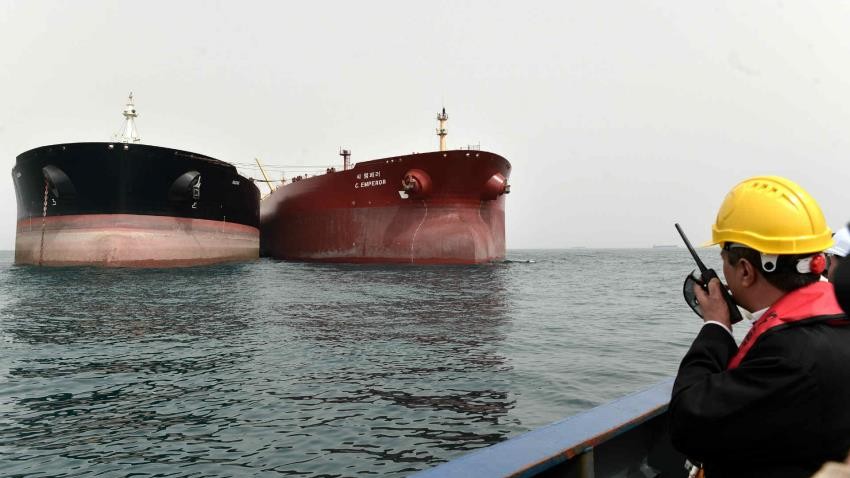
The global energy architecture experienced a profound fracture as military tensions in the Middle East breached primary Saudi oil transit routes, pushing physical supply chains into unprecedented distress. For months, markets treated regional disruptions as localized anomalies easily absorbed by spare production capacity. However, the recent redirection of tanker routes and verified security incidents near vital processing hubs have exposed the fragility of maritime petroleum logistics. Traders are rapidly unwinding short positions, pricing in a permanent risk premium that strips away years of post-pandemic supply assumptions. At the institutional level, this supply restriction collides directly with aggressive central bank maneuvers, creating severe friction between monetary authorities and commodity traders. Standard Chartered analysts adjusted their baseline forecasts, arguing that the traditional floor for oil prices has shifted upward by a significant margin. Industrial economies accustomed to cheap energy inputs now face stubborn inflationary baselines, complicating interest rate decisions ahead of critical Federal Reserve announcements. Energy ministries across importing nations find themselves with limited fiscal ammunition to cushion the blow for domestic manufacturing. Downstream, the immediate casualties are energy-intensive industries and net-importing developing economies, which must absorb soaring transport and electricity generation costs. Refiners in Asia and Europe report shrinking margins as feedstock prices outpace retail fuel demand, squeezing corporate profitability across the board. The broader macroeconomic outcome is a prolonged period of stagflationary pressure, where central banks must choose between defending currency values against imported inflation or supporting cooling industrial sectors.
Comments 0