Telangana Deploys Artificial Intelligence as a Ministerial Figure
The Telangana government has unveiled an AI-driven ministerial entity at the Hyderabad DevFest, marking a structural shift in administrative automation. This move signals a new era where algorithmic governance begins to intersect with political accountability and public service delivery.
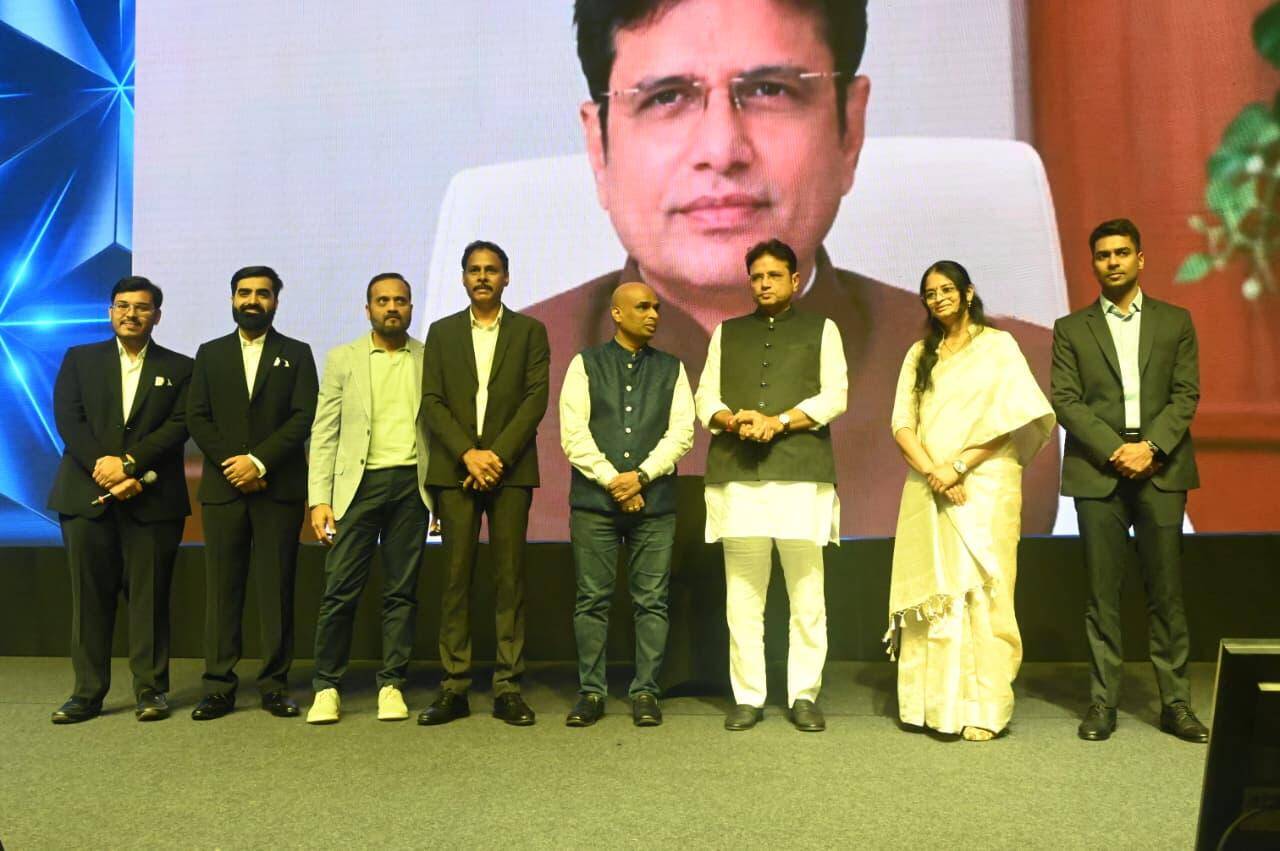
The unveiling of an artificial intelligence minister in Hyderabad represents a concrete rupture in the traditional hierarchy of Indian governance. By assigning a digital entity a title of ministerial rank, the state is not merely adopting software but is redefining the locus of decision-making authority. This initiative moves beyond the typical deployment of chatbots or data dashboards; it positions an algorithmic system as a visible actor in the political sphere, capable of interacting with citizens and potentially influencing policy outcomes. The event at DevFest 2026 serves as a public declaration that the state’s administrative machinery is undergoing a fundamental transformation, one that prioritizes computational speed and data-driven precision over conventional bureaucratic processes.
The underlying tension in this development lies in the friction between democratic accountability and algorithmic opacity. While the government frames this as a modernization effort, critics may argue that delegating ministerial functions to an AI system raises profound questions about transparency and responsibility. Who is held liable when an AI-driven decision results in harm or error? The institutional friction here is not merely technical but philosophical, challenging the established norms of public service where human officials are answerable to the electorate. This move suggests a growing confidence in machine learning capabilities to handle complex administrative tasks, yet it also exposes the limits of current legal and ethical frameworks designed for human governance.
The downstream consequences of this experiment will likely reshape the relationship between the state and its citizens. If successful, this model could be replicated across other departments and states, leading to a broader adoption of AI in public administration. However, the tangible outcome may also include a shift in public expectations, with citizens demanding faster, more efficient, and data-informed services. The casualties of this transition may include traditional bureaucratic roles, which could be marginalized or redefined, while the winners will be those who can navigate and leverage these new digital governance tools. This initiative sets a precedent that could influence national policy discussions on the role of AI in government.
Comments 0