The Diaspora Asterisk: Navigating Citizenship and Belonging in the MAGA Era
Recent policy shifts in Washington have triggered profound anxiety among expatriate communities, revealing conditional acceptance for political supporters of foreign descent. The sociopolitical climate forces a critical reassessment of immigrant integration and loyalty.
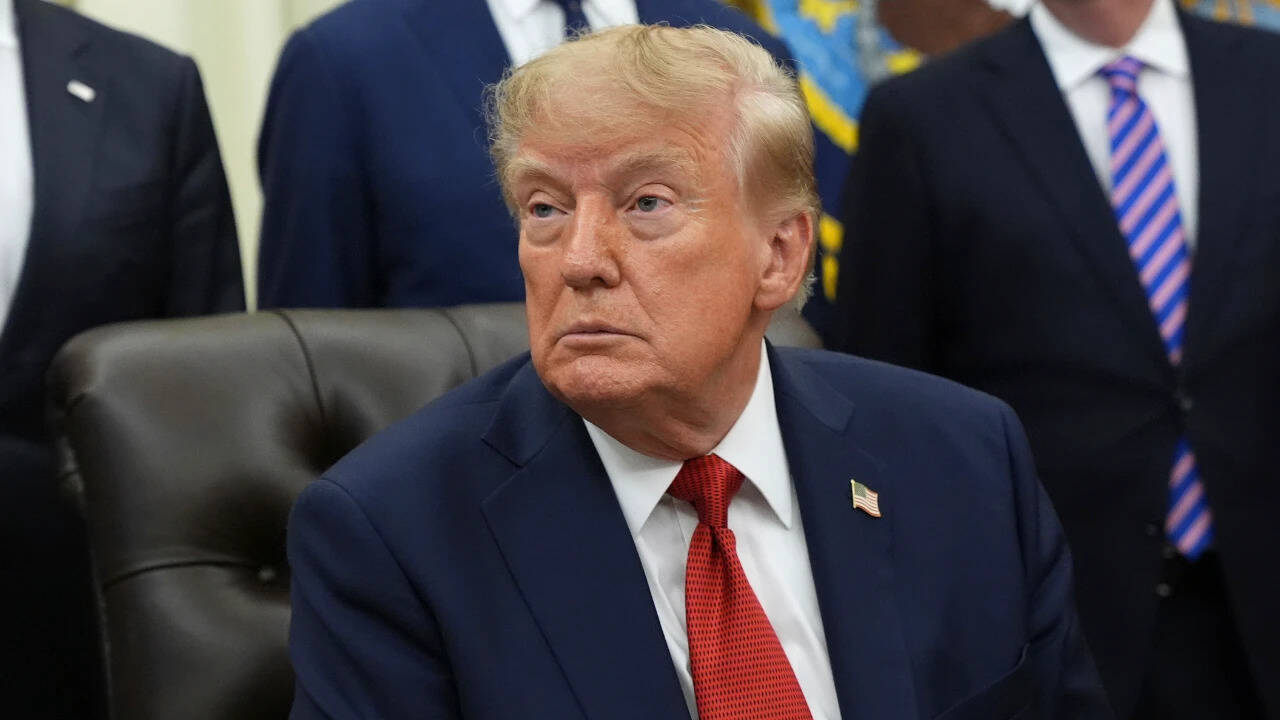
The political within western democracies has forced immigrant communities who actively aligned with nationalist political movements to confront uncomfortable realities regarding their civic status. Despite vocal ideological alignment with populist platforms, naturalized citizens discover that ethnic identity continues to function as an immutable marker of otherness during policy contractions. Public debates over visa retrenchments and citizenship pathways demonstrate that assimilation offers limited protection when nativist impulses dictate state legislative priorities. Sociological friction within diaspora networks has intensified, pitting older, securely naturalized professionals against younger generations advocating for civil rights coalitions. Community leaders who previously championed exclusive nationalist narratives find themselves marginalized as immigration controls tighten across professional and familial categories. The psychological dissonance of supporting political figures who champion restrictive citizenship criteria creates deep fractures within affluent immigrant enclaves. The tangible consequence is a rapid political realignment among diaspora voters who are abandoning monolithic political affiliations in favor of defensive electoral organizing. Professional associations and legal advocacy groups are reporting unprecedented surges in demand for dual-citizenship consultations and contingency emigration planning. Ultimately, the diaspora is forced to accept that legal naturalization does not insulate communities from shifting geopolitical winds.
Comments 0