The Great Refinery Pivot: Diesel and Jet Fuel Overtake Gasoline in American Output
American refineries are fundamentally altering their production mix, processing less gasoline per barrel of crude in favor of diesel and jet fuel. This strategic shift is driven by soaring profit margins on transport fuels, which have outpaced the stagnant economics of the domestic car market.
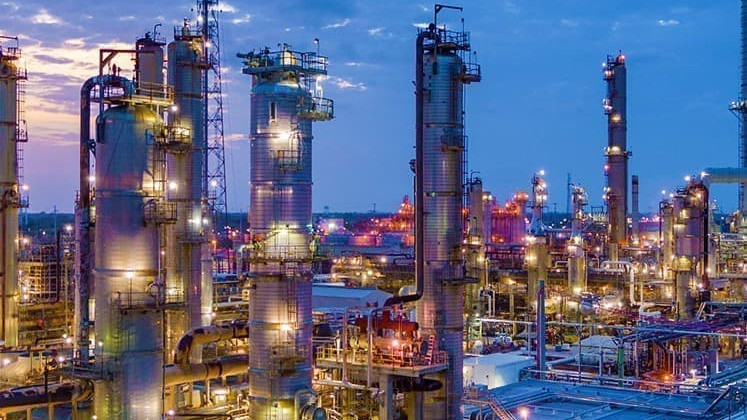
The concrete rupture in the American energy sector is not a sudden collapse but a calculated realignment of industrial capacity. Refineries across the Gulf Coast and Midwest are now extracting a smaller share of gasoline from every barrel of crude oil they process, a move that signals a permanent departure from the post-pandemic recovery pattern. The immediate consequence is a tightening of the gasoline supply chain, which has already begun to influence domestic pump prices, while simultaneously flooding the global market with surplus diesel and jet fuel. This is not a temporary adjustment; it is a structural response to a market where the demand for moving goods and people by air has decisively outstripped the demand for personal vehicular transport.
The underlying tension driving this shift lies in the divergent profit margins of different petroleum products. For years, the economics of refining favored gasoline, but the post-2020 surge in industrial activity, shipping, and aviation has created a premium on diesel and jet fuel that is difficult to ignore. Institutional friction arises as refiners must physically reconfigure their distillation columns and catalytic crackers to maximize these higher-yield products, a process that requires significant capital expenditure and operational downtime. The result is a sector that is increasingly decoupled from the consumer car market, prioritizing the needs of the logistics and aviation industries over the suburban commuter. This creates a fragile equilibrium where domestic fuel availability becomes contingent on global trade flows.
The downstream casualties of this pivot are felt most acutely by consumers and smaller regional suppliers who face higher volatility in gasoline prices. As the share of gasoline in the total output declines, the buffer against supply shocks diminishes, making the domestic market more sensitive to disruptions in crude oil imports or export bans. The tangible outcome is a bifurcated energy market where the cost of driving has become a secondary concern to the cost of flying and shipping. This structural change ensures that future energy policy debates will focus less on consumer protection for drivers and more on the stability of the industrial supply chain, fundamentally altering the political economy of American fuel.
Comments 0