UPSC Main Results: The Bureaucratic Gatekeeper Opens Its Doors
The Union Public Service Commission has declared the results for the Civil Services Main Examination 2026, determining the next cohort of India's administrative elite. This announcement marks the critical juncture where thousands of aspirants are filtered into the interview stage, setting the trajectory for the nation's future governance structure.
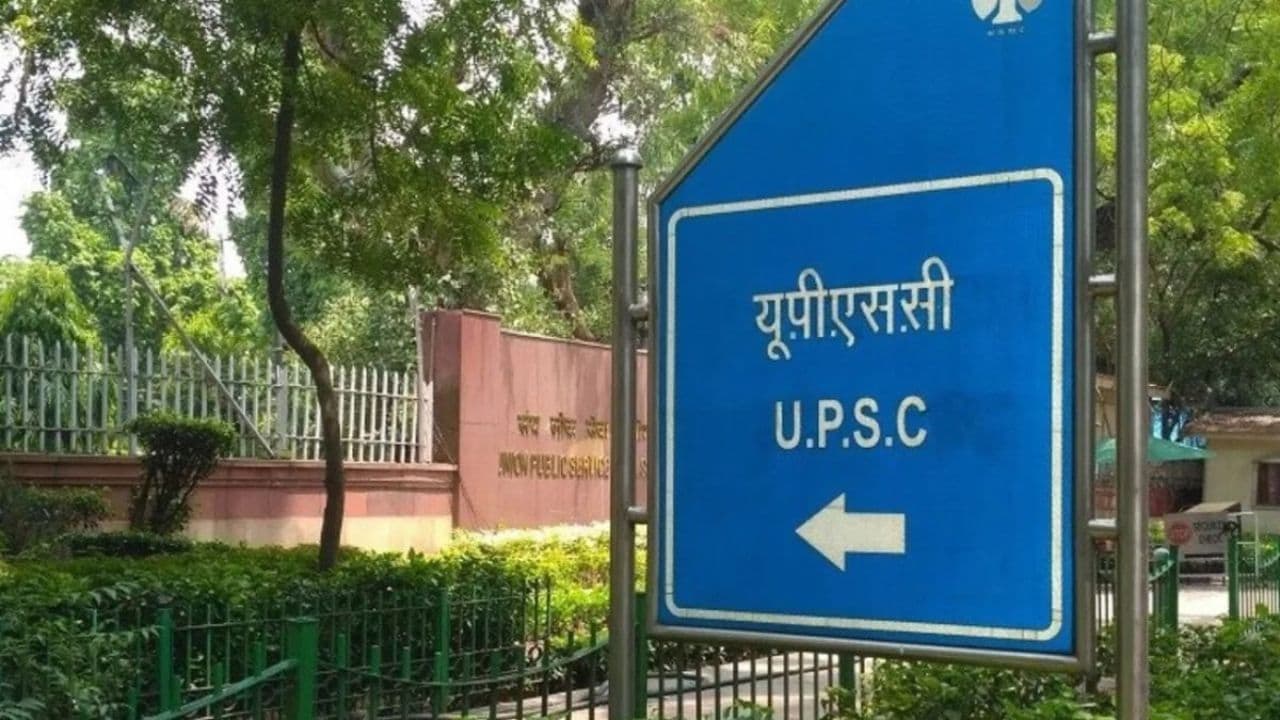
The concrete rupture in the lives of thousands of Indian aspirants is the release of the UPSC Main Examination 2026 results, a moment that serves as the primary filter for entry into the Indian Administrative Service, Indian Foreign Service, and Indian Police Service. This is not merely an academic outcome but a decisive institutional gatekeeping event that determines who will hold the levers of state power for the next two decades. The immediate shockwave is felt in the coaching hubs of Delhi and across the country, where the announcement divides a massive cohort into the privileged few who advance and the many who must return to the private sector or reattempt the grueling cycle. The result is a stark bifurcation of professional destiny, with the successful candidates entering a closed ecosystem of state service while the rest face the open market.
The underlying tension in this process is the immense pressure placed on the examination system to balance meritocratic selection with the political and social expectations of a diverse electorate. The UPSC operates as a neutral arbiter in a highly charged political environment, where the composition of the bureaucracy is often scrutinized for regional and caste balance. Institutional friction arises from the sheer scale of the examination, which requires the commission to manage millions of applications with precision, ensuring that the integrity of the process is maintained against allegations of bias or error. This friction is compounded by the high stakes involved, as the civil services are viewed as the backbone of the state, and any perceived failure in the selection process can trigger significant public debate and legal challenges.
The downstream casualties of this selection process are the vast number of highly educated individuals who, despite their academic prowess, are excluded from the state apparatus. This creates a talent drain in the public sector, as many of the unsuccessful candidates migrate to the private sector, academia, or international organizations, taking their expertise with them. The tangible outcome is a bureaucracy that is increasingly shaped by the specific cohort that passes this particular hurdle, influencing policy implementation and administrative culture for years to come. The result is a system where the initial selection event has a disproportionate impact on the long-term trajectory of the state, making the UPSC results a critical indicator of the future direction of Indian governance.
Comments 0