Transit Controls and Driver Protests Squeeze Commuters in Chandigarh
New regulatory restrictions on commercial passenger vehicles in Chandigarh have triggered aggressive fare hikes and driver strikes, leaving commuters stranded. The administrative crackdown exposes the friction between formal municipal transit rules and informal gig-economy operators.
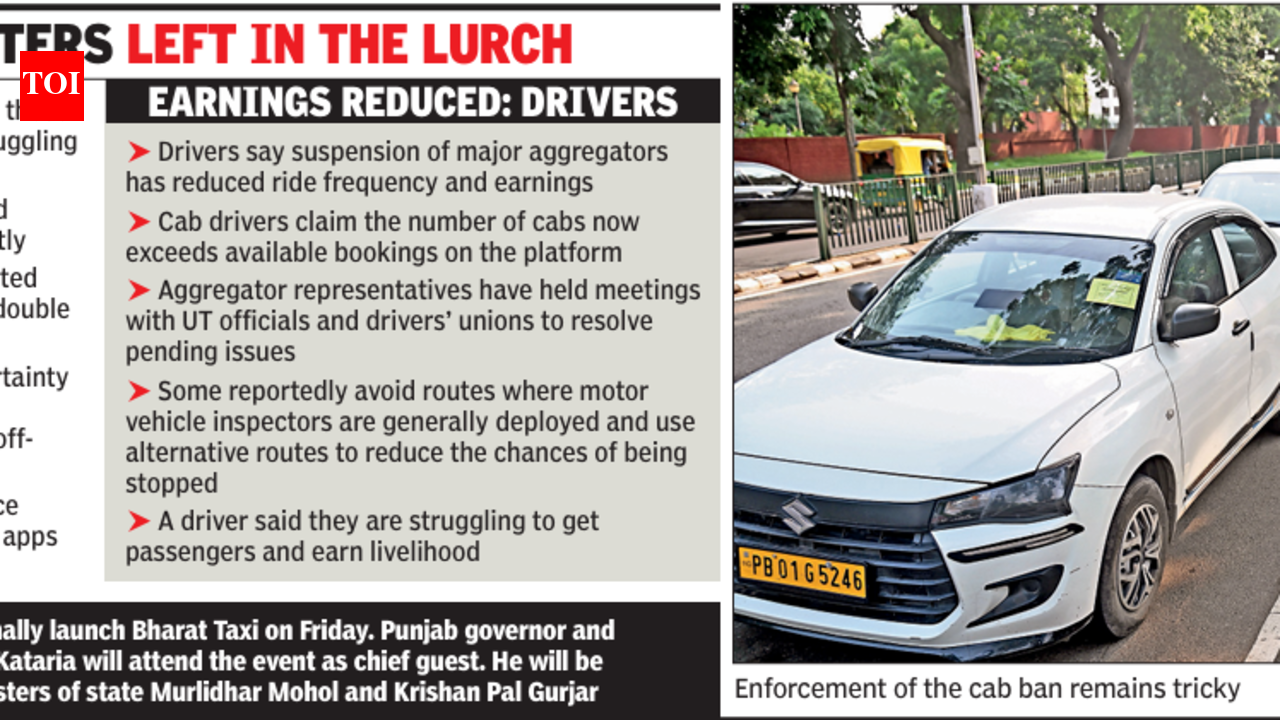
Urban transit networks in northern India are experiencing severe operational disruption following the enforcement of stringent local operating permits for commercial cabs. Drivers argue that the new regulatory framework imposes prohibitive compliance costs and arbitrary route limitations, effectively criminalizing their daily livelihoods. In response to the crackdown, transport unions have throttled service availability, causing immediate chaos for daily commuters. Municipal regulators maintain that these controls are essential for curbing traffic congestion and ensuring passenger safety within the planned union territory. However, the heavy-handed enforcement mechanism fails to provide viable alternative employment or streamlined digital compliance pathways for independent drivers. This disconnect highlights the ongoing regulatory failure to integrate decentralized gig-economy transport models into traditional urban planning frameworks. Commuters bear the ultimate economic cost, absorbing soaring surge pricing and severe delays during peak travel hours. Independent drivers face financial ruin as impoundments and fines accumulate under the new municipal directives. Until a balanced regulatory compromise is reached, urban mobility in the region will remain hostage to an escalating standoff between administration and labor.
Comments 0