UN Fund Allocates $21.6 Million to Nepal for Climate‑Crisis Losses
The Fund for Responding to Loss and Damage approved a historic $21.6 million package for Nepal, acknowledging the nation’s vulnerability to climate‑induced disasters. The allocation marks a significant step toward compensating countries for irreversible climate impacts.
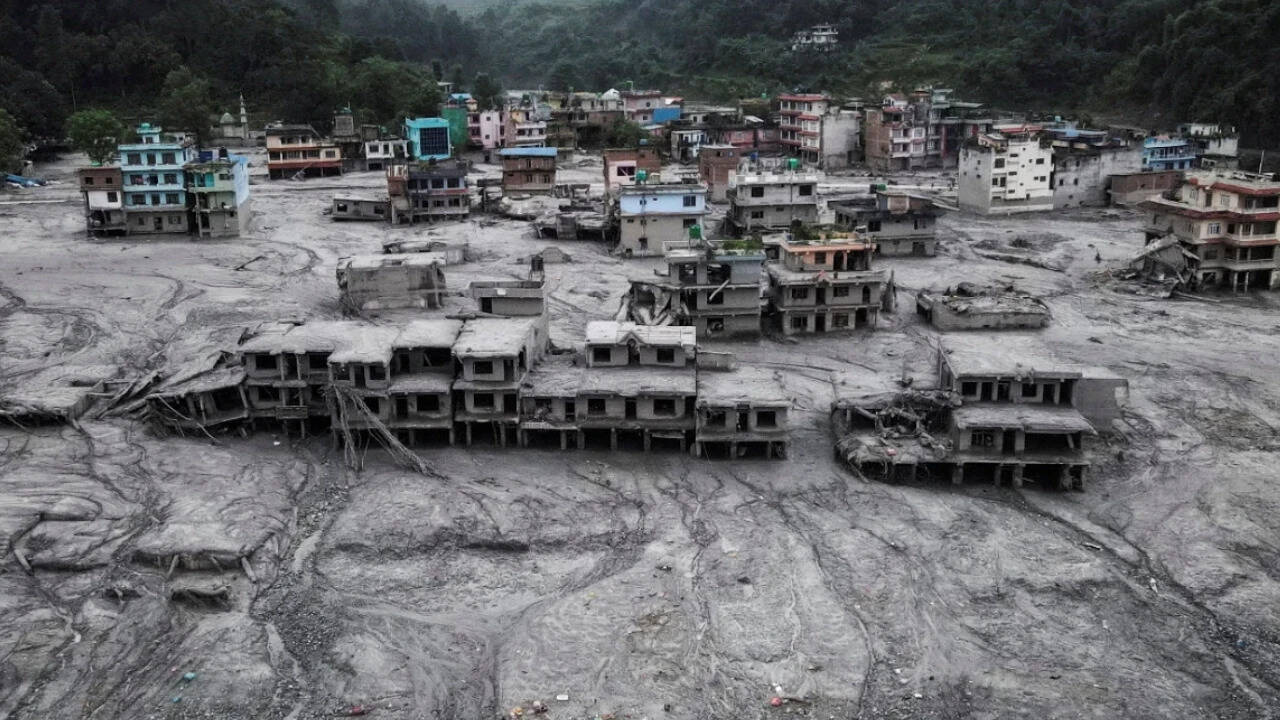
In an unprecedented move, the United Nations’ Fund for Responding to Loss and Damage (FRLD) sanctioned a $21.6 million grant to Nepal, earmarked for rebuilding infrastructure damaged by extreme weather events and for supporting communities displaced by floods and landslides. The decision was taken after a rigorous assessment of Nepal’s exposure to climate‑related hazards, underscoring the growing recognition that mitigation alone cannot shield vulnerable nations from the inevitable consequences of a warming planet.
The underlying tension lies in the broader international debate over responsibility and financing for climate loss. Developed nations have long resisted large‑scale compensation schemes, citing concerns over fiscal burden and the need for clear accountability mechanisms. Nepal’s successful bid reflects a shift in diplomatic negotiations, where the moral imperative to address loss and damage is gaining traction among donor countries, albeit amid lingering disputes over verification and disbursement procedures.
The tangible outcome for Nepal will be the initiation of reconstruction projects in flood‑prone districts, the reinforcement of early‑warning systems, and the provision of livelihood assistance to affected families. Local NGOs anticipate that the funds will also bolster community‑based resilience programs, reducing future vulnerability. Economically, the infusion of capital is expected to stimulate regional development and may serve as a catalyst for further international contributions to climate‑damage relief in South Asia.
Comments 0