Upper layer NBFCs have to list: RBI guv on Tatas; dispels doubts on Sept order
RBI Governor Sanjay Malhotra said that upper‑layer non‑bank financial companies must be listed, and his remarks hinted that Tata Sons may be violating RBI rules. He did not comment on Noel Tata’s plan to merge two Tata Sons subsidiaries with the holding company.
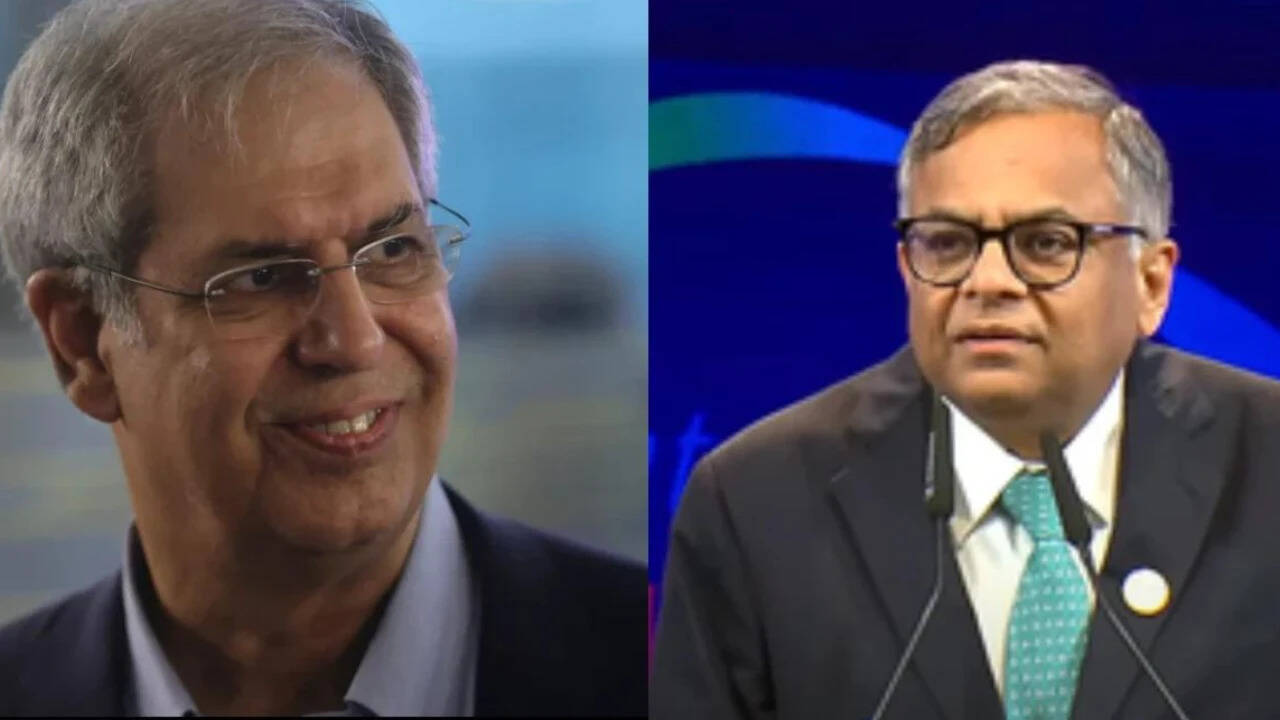
The Reserve Bank of India has long required certain non‑bank financial companies, especially those that sit at the top of a corporate structure, to be listed on a stock exchange. This rule is intended to increase transparency, improve risk monitoring and protect depositors and investors. In a recent press briefing, Governor Sanjay Malhotra reiterated the requirement, stating that any upper‑layer NBFC that is not listed will face regulatory scrutiny. The announcement comes at a time when the RBI is tightening oversight of the financial sector after a series of high‑profile defaults.
The governor’s comments also suggested that Tata Sons, the holding company for the Tata Group, could be in breach of those listing rules. While no formal notice has been issued, the suggestion raises questions about the compliance status of the conglomerate’s financial subsidiaries. Tata Sons controls a wide range of businesses, from steel to information technology, and any regulatory action could have ripple effects across the Indian economy. Analysts are watching for any official communication from the RBI that would clarify the potential penalties or corrective steps required.
When asked about a proposal by Noel Tata to merge two Tata Sons subsidiaries back into the holding company, Governor Malhotra declined to discuss the matter. The proposal, which would consolidate ownership and potentially simplify the group’s structure, has attracted attention from investors and regulators alike. For Indian readers, the issue matters because the Tata Group is a major employer and a source of public confidence in corporate governance. Any regulatory uncertainty could affect stock market sentiment, credit ratings and the broader perception of corporate compliance in India.
Comments 0