Urban Logistics and Faith: Pune Extends Transit Hours for Ganeshotsav
Pune municipal authorities have extended metro rail services until two in the morning alongside strict traffic curbs to manage the Ganeshotsav festival rush. These emergency logistical interventions aim to prevent gridlock during peak religious celebrations.
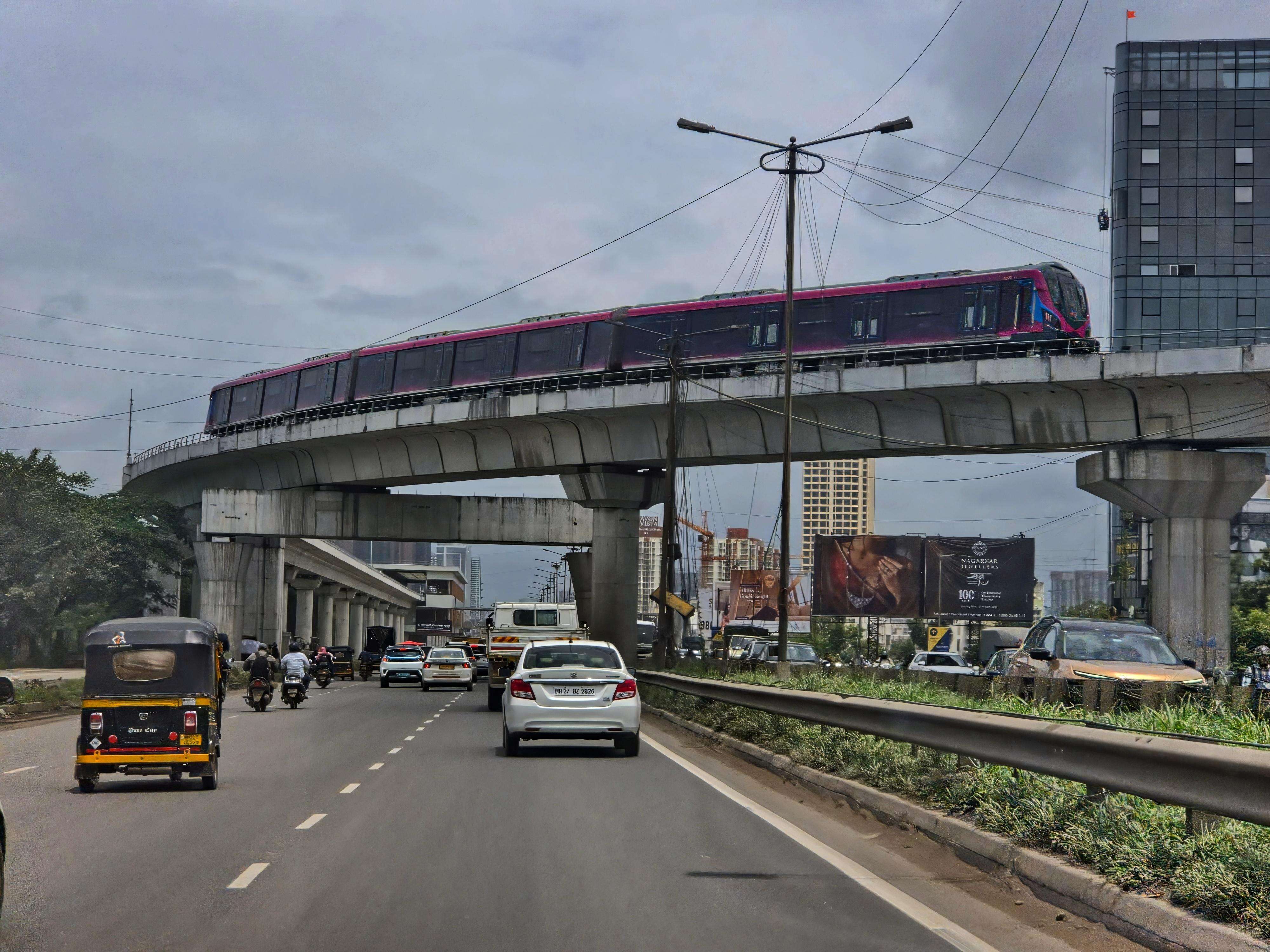
The annual Ganeshotsav festival in Maharashtra brings millions of devotees onto the streets, transforming urban transit networks into high-pressure bottlenecks. In response to anticipated congestion, municipal corporations in Pune deployed extended public transit schedules and implemented strict vehicular cordons. Public transport infrastructure faces its sternest annual test during these weeks of continuous celebration. Urban planners and local law enforcement agencies coordinated round-the-clock monitoring to balance public safety with religious participation. The friction between pedestrian processions and commercial vehicular traffic requires constant real-time adjustments from transit controllers. Municipal budgets are heavily strained by the overtime compensation and logistical deployment needed to sustain these extended operations. The direct outcome of these measures is a smoother transit experience for millions of citizens, minimizing the economic paralysis that typically accompanies major public gatherings. However, the temporary nature of these solutions underscores the broader inadequacy of the city's permanent public transit capacity. Municipal authorities must translate these temporary logistical successes into permanent infrastructure upgrades to accommodate rapid urban expansion.
Comments 0