Saudi Arabia Alters Energy Logistics as Regional Instability Forces Reliance on the Strait of Hormuz
Following extended disruptions to the East-West pipeline, Saudi Arabia has redirected its primary crude export channels back through the Strait of Hormuz. The logistical pivot increases geopolitical vulnerability amid escalating security tensions in the Persian Gulf.
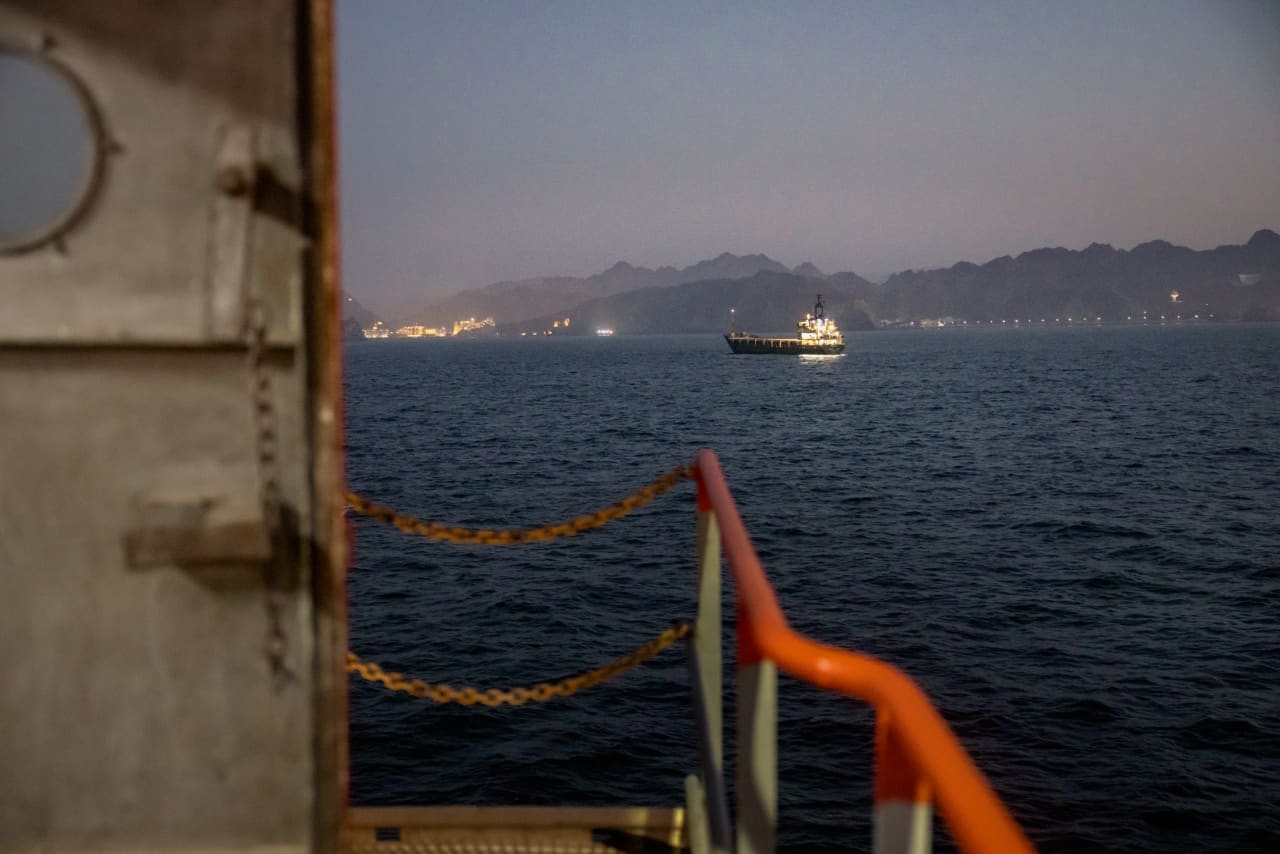
The operational integrity of Middle Eastern energy architecture has suffered repeated blows from regional military engagements and infrastructure sabotage. Riyadh's decision to bypass compromised overland transportation corridors by channeling millions of barrels daily back through maritime chokepoints marks a tactical retreat to legacy shipping routes. This shift reverses years of strategic capital expenditure intended to insulate the kingdom's petroleum supply chains from regional maritime blockades. Energy ministries and maritime insurers find themselves locked in intense risk negotiations as the volume of crude transiting the restricted waters increases. Military strategists warn that concentrating export flows through a single maritime corridor elevates the stakes for regional naval altercations, particularly as diplomatic channels between Gulf states and external military actors remain strained. The institutional friction between commercial shippers demanding higher premiums and state producers desperate to maintain export revenue exposes the fragility of global oil logistics. Downstream casualties include importing nations heavily dependent on predictable crude shipments, as any maritime disruption in the passage now threatens immediate price spikes across global energy markets. While state-owned petroleum enterprises secure short-term cash flows by moving inventory, the structural vulnerability of their supply chain invites speculative volatility. The ultimate outcome cements the Persian Gulf as a volatile economic flashpoint where geopolitical friction directly dictates consumer energy costs worldwide.
Comments 0