Kolkata’s Holy Night Echoes Through Hospitals, Straining Emergency Services
The city’s Diwali celebrations generated unprecedented noise levels, prompting hospitals across Kolkata to report a surge in emergency admissions. The acoustic onslaught has highlighted gaps in urban health preparedness during festivals.
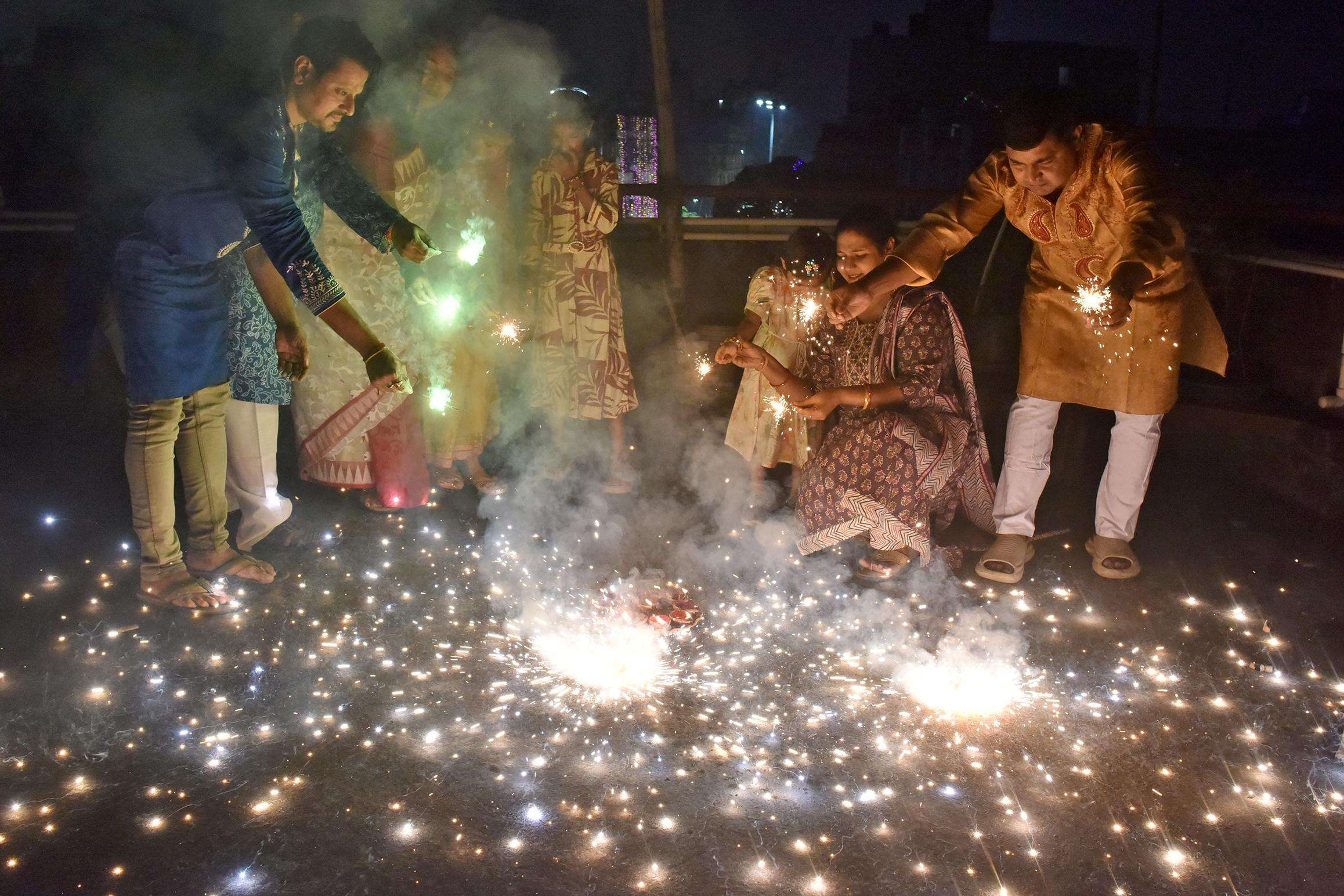
From the bustling streets of North Kolkata to the quieter lanes of the south, the festive fireworks and amplified music created a soundscape that far exceeded normal urban thresholds. Hospital administrators recorded a marked increase in patients presenting with auditory trauma, cardiovascular stress, and anxiety-related complaints, attributing the spike to the relentless din that persisted well into the early hours. Emergency departments, already operating at capacity, struggled to allocate resources to the influx of cases directly linked to the auditory assault.
The underlying tension stems from the city's longstanding tradition of exuberant celebrations, which often clash with modern public health considerations. Municipal authorities have historically permitted open‑air firecracker displays, citing cultural heritage, while health officials have warned of the physiological impacts of prolonged exposure to high decibel levels. The lack of coordinated regulation between cultural committees and health agencies created a vacuum that allowed the noise to reach hazardous intensities.
Consequences extend beyond the immediate medical burden. Residents reported sleep deprivation, leading to reduced productivity the following day, while businesses near affected hospitals noted a temporary dip in foot traffic. The episode has sparked calls for the implementation of noise‑monitoring zones and the establishment of a rapid response protocol that can be activated during future festivals to mitigate health risks.
Comments 0