Democratic Control of Congress Poised to Redefine U.S. Energy Agenda
The recent midterm elections have handed Democrats a majority in both chambers of Congress, setting the stage for a comprehensive overhaul of American energy policy. Legislative leaders are already drafting bills that could accelerate renewable investment while curbing fossil‑fuel subsidies.
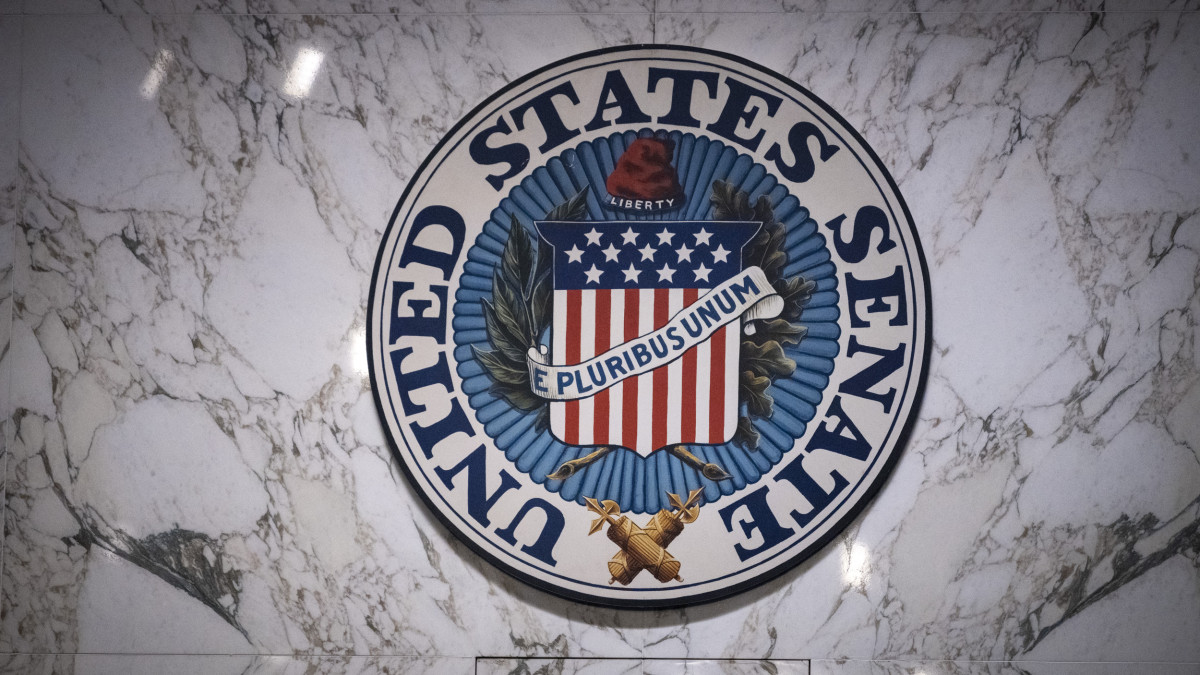
Analysts estimate that the new Democratic majority will prioritize climate‑focused legislation, including the reinstatement of tax credits for solar and wind projects, as well as stricter emissions standards for power plants. Committee chairs are expected to convene hearings that scrutinise the financial ties between incumbent legislators and oil‑and‑gas lobbyists, a move that could reshape the regulatory environment for energy companies. The shift also threatens to delay approvals for new offshore drilling permits, prompting industry groups to lobby for transitional provisions that protect existing investments.
The policy pivot carries significant implications for state‑level energy markets, especially in regions heavily dependent on coal and natural gas production. States such as Texas and West Virginia may experience a recalibration of federal funding streams, compelling them to diversify their energy portfolios or risk reduced federal support. Conversely, states that have already embraced renewable infrastructure stand to benefit from accelerated grant programmes and enhanced grid‑modernisation funding, potentially attracting private capital seeking stable, policy‑aligned returns.
Investors are closely monitoring the legislative calendar, as the anticipated reforms could reshape risk assessments for energy assets. Over the next twelve months, a surge in green bond issuances and a reallocation of capital toward low‑carbon technologies are expected, while traditional fossil‑fuel equities may face heightened volatility as markets adjust to a more aggressive climate agenda.
Comments 0