IEA Chief Warns Energy Prices Will Not Return to Pre-War Norms by 2027
Fatih Birol of the International Energy Agency has stated that crude oil, fuel, and natural gas prices are unlikely to revert to pre-war levels by 2027. The Middle East conflict has structurally tightened global energy markets, signaling a new era of higher baseline costs for consumers and industries.
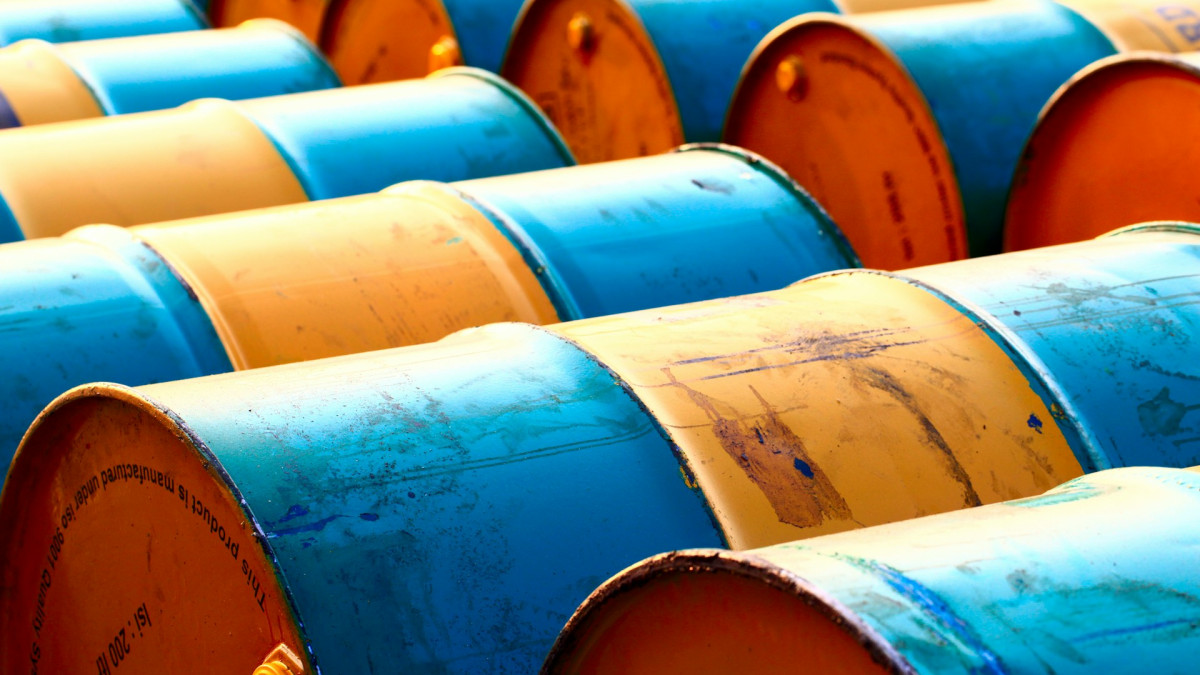
The concrete rupture is a formal acknowledgment by the International Energy Agency that the era of cheap energy is ending. Fatih Birol, the agency's executive director, has declared that energy prices will not return to pre-war levels by 2027. This assessment is based on the sustained tightening of markets driven by the ongoing conflict in the Middle East, which has disrupted supply chains and heightened geopolitical risk. The statement serves as a warning to governments and businesses that they must plan for a future where energy costs are structurally higher, impacting everything from manufacturing to household budgets.
The underlying tension is the clash between the desire for economic stability and the reality of a fragmented global supply chain. The Middle East conflict has exposed the fragility of energy dependencies, forcing nations to seek alternative sources and invest in strategic reserves. This has created a persistent premium on energy prices, as markets price in the risk of future disruptions. The IEA's forecast suggests that this is not a temporary spike but a permanent shift in the energy , driven by both geopolitical instability and the long-term transition to cleaner, often more expensive, energy sources.
The downstream consequences are far-reaching, affecting inflation, industrial competitiveness, and social welfare. Higher energy costs will squeeze consumer spending and increase the cost of production for energy-intensive industries, potentially leading to job losses and reduced investment. Governments will face pressure to subsidize energy or impose price caps, which can strain public finances. This new reality will accelerate the push for energy efficiency and renewable energy adoption, as nations seek to reduce their vulnerability to volatile global markets and secure their long-term economic resilience.
Comments 0