IIT Bombay Students Defy Institutional Authority
Protesting students at IIT Bombay have refused to collect their seized belongings individually, demanding a collective resolution to the dispute. This act of defiance highlights a deepening rift between the student body and the administration, challenging the institutional norms of engagement and accountability.
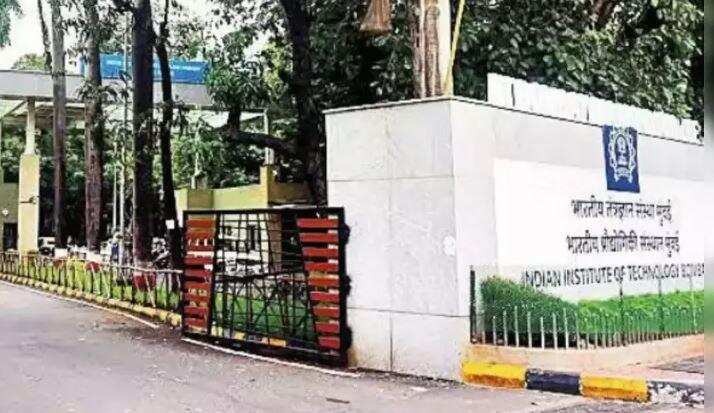
The concrete rupture is a collective refusal by IIT Bombay students to engage with the administration on individual terms regarding their seized belongings. By insisting on a group resolution, the students are asserting a unified front against what they perceive as an overreach of institutional power. This move transforms a logistical dispute into a statement of principle, challenging the hierarchy and communication channels within one of India's premier educational institutions.
The underlying tension reflects a broader generational shift in how students interact with academic authorities. The demand for collective engagement suggests a desire for transparency and shared decision-making, contrasting with the traditional top-down approach of institutional management. Institutional friction is evident as the administration grapples with how to respond to a protest that is both a legal and a moral challenge, risking a prolonged standoff that could disrupt academic activities.
The downstream casualties include the academic progress of the students involved and the reputation of the institution. The tangible outcome is a potential reformation of the student-administration relationship, where future policies may be developed through more inclusive and transparent processes. This incident could serve as a precedent for other institutions, encouraging a more participatory approach to governance and potentially leading to a reevaluation of student rights and responsibilities in higher education.
Comments 0