Maharashtra Opposition and Environmentalists Rally Against Massive Tree Felling in Karjat
A coalition of political parties and green groups has opposed the removal of over 32,000 trees slated for a new power project. Their protest threatens to delay the project and force a reassessment of its environmental clearances.
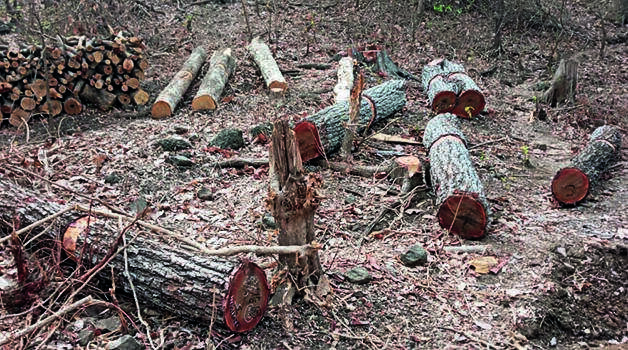
The concrete rupture unfolded when the state government unveiled plans to clear more than thirty‑two thousand trees in the Karjat forest to make way for a high‑capacity power generation facility. The proposal, presented by the energy department, cited rising electricity demand and the need for renewable integration as justification. However, the scale of deforestation sparked immediate backlash from opposition legislators and environmental NGOs, who argued that the loss of canopy would exacerbate local climate stress and undermine biodiversity corridors that support endemic species.
Underlying tension revolves around competing priorities of energy security and ecological preservation. While the government emphasizes the project's contribution to regional power stability, activists point to alternative locations and technologies that could achieve similar output with minimal habitat disruption. The dispute has also highlighted procedural gaps in the environmental impact assessment process, with critics alleging that public consultation was insufficient and that the clearance granted by the state forest department bypassed key statutory safeguards. This friction reflects a broader national debate over the trade‑offs inherent in India's rapid infrastructure expansion.
Downstream consequences may include legal challenges that stall construction, as well as heightened scrutiny of future projects that involve large‑scale land use changes. If the opposition succeeds in securing a stay order, the power plant could face cost overruns and a re‑evaluation of its financing structure. Moreover, the episode may embolden other state‑level environmental movements, prompting policymakers to incorporate more rigorous ecological metrics into project planning. The public discourse generated by the Karjat case could also influence voter sentiment ahead of upcoming state elections, potentially reshaping the political calculus surrounding development initiatives.
Comments 0