The Digital Minister: Sridhar Babu's AI Twin Reshapes Governance in Telangana
Telangana has appointed its first artificial intelligence minister, a digital twin of IT minister Sridhar Babu, to handle routine queries and policy dissemination. This move signals a decisive shift in how state bureaucracies interact with the public, prioritizing algorithmic efficiency over traditional human mediation.
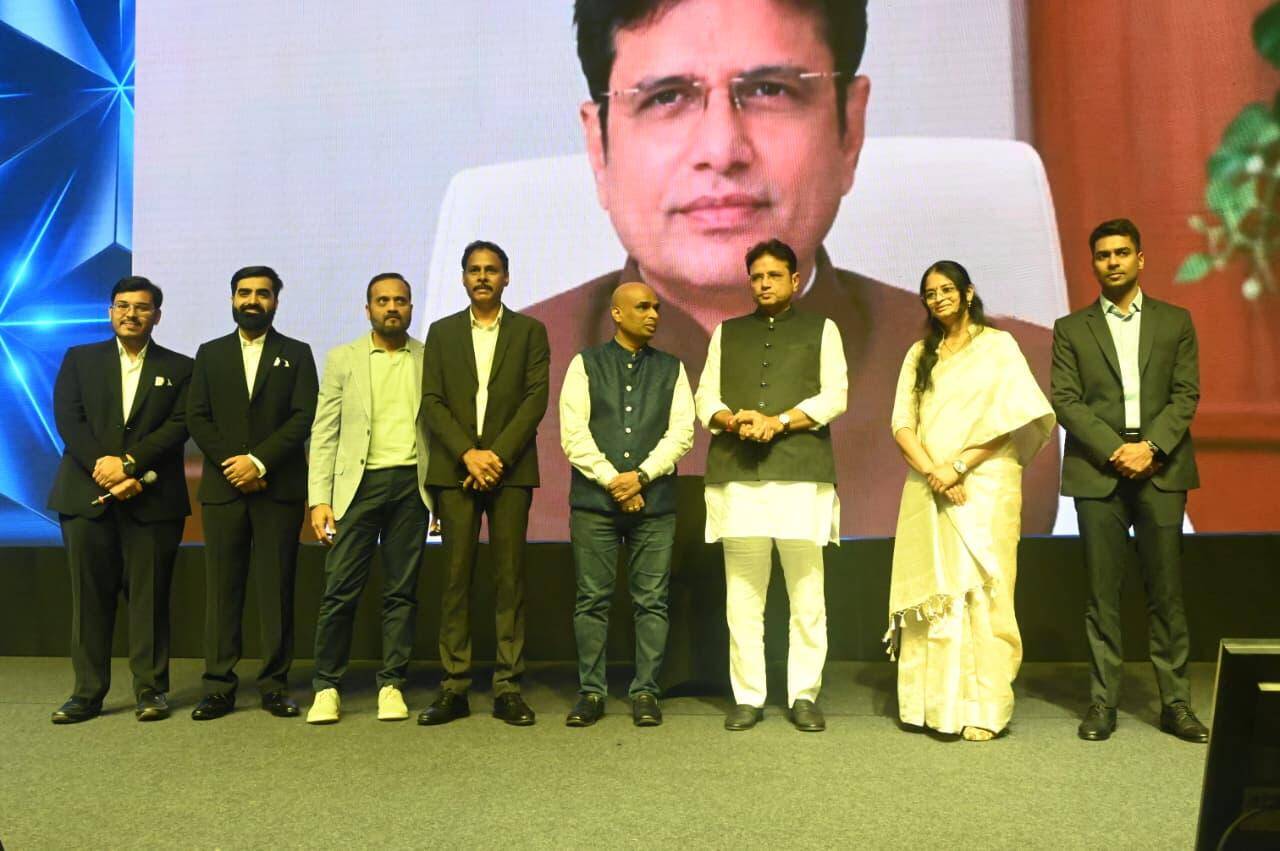
The concrete rupture in Telangana's administrative structure is the formal induction of an artificial intelligence entity into the cabinet. Sridhar Babu, the state's IT minister, has authorized the deployment of a digital twin designed to mirror his decision-making patterns and public communications. This is not a mere chatbot for customer service; it is a governance tool intended to process legislative inquiries and policy clarifications with the speed of code. The state government frames this as a necessary evolution in a digital-first economy, where the latency of human response is viewed as a competitive disadvantage in attracting technology firms.
The underlying tension lies in the friction between established bureaucratic norms and the opaque nature of algorithmic authority. Civil servants and political opponents have long relied on the human element of governance for accountability, negotiation, and political signaling. By delegating ministerial functions to a machine, the state introduces a layer of abstraction that complicates oversight. The institutional friction is palpable: who is liable when the AI provides incorrect information? How is the digital twin held to the same constitutional standards as its human counterpart? This shift challenges the very definition of public office, moving it from a person to a platform.
The downstream casualties are likely to be the mid-level bureaucrats and political aides who traditionally served as the interface between the minister and the public. Their roles, defined by gatekeeping and interpretation, are now redundant in the face of an always-on digital proxy. The tangible outcome is a streamlined, albeit colder, administrative process that may enhance efficiency but erodes the personal accountability that underpins democratic governance. In twelve months, this experiment will either become a model for other states seeking to modernize their bureaucracies or a cautionary tale about the limits of delegating political responsibility to code.
Comments 0