The Retreat of the Rains and the Arithmetic of Agrarian Distress
As the annual monsoon withdraws across the subcontinent, fourteen states register a precipitation deficit exceeding twenty percent. This meteorological contraction threatens rural liquidity, household consumption patterns, and sovereign food inflation metrics.
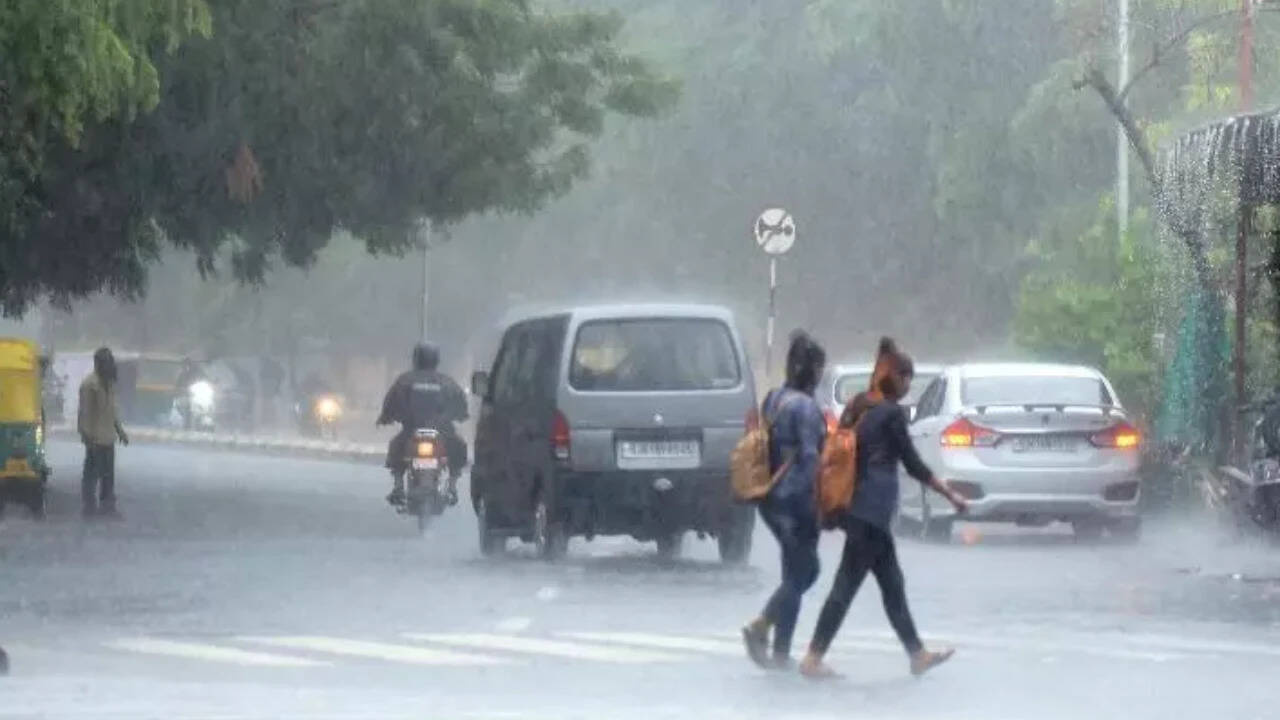
The seasonal meteorological retreat has commenced across the subcontinent, leaving behind a complex ledger of dry soil and erratic hydrology. Fourteen distinct states have documented a precipitation shortfall surpassing twenty percent, exposing structural vulnerabilities in rain-fed agricultural zones. The uneven spatial distribution of these summer clouds highlights the persistent hazard of relying on historical climate averages in an era of rapid atmospheric destabilization. Beneath this meteorological reality lies a persistent friction between central planning models and regional hydrological realities. State governments often find themselves managing acute irrigation deficits while federal agricultural agencies maintain optimistic yield projections based on generalized national averages. This institutional disconnect obscures the localized suffering of smallholder farmers who must navigate soaring input costs alongside depleted groundwater reserves. The immediate casualty of this deficit is rural purchasing power, which contracts sharply as crop yields dwindle and debt burdens mount. Downstream systemic repercussions will likely manifest as stubborn food inflation in urban centers, forcing central bankers to maintain restrictive monetary policies despite industrial stagnation. Ultimately, the retreating monsoon redraws the financial boundaries for millions of rural households, translating meteorological anomalies into widespread economic austerity.
Comments 0