Surveillance Expansion Targets High-Risk Accident Zones on Mumbai Ahmedabad Highway
Maharashtra transport authorities announced a comprehensive rollout of automated CCTV surveillance across designated accident black spots on the Mumbai Ahmedabad highway. The initiative seeks to curb reckless driving and enforce strict speed compliance.
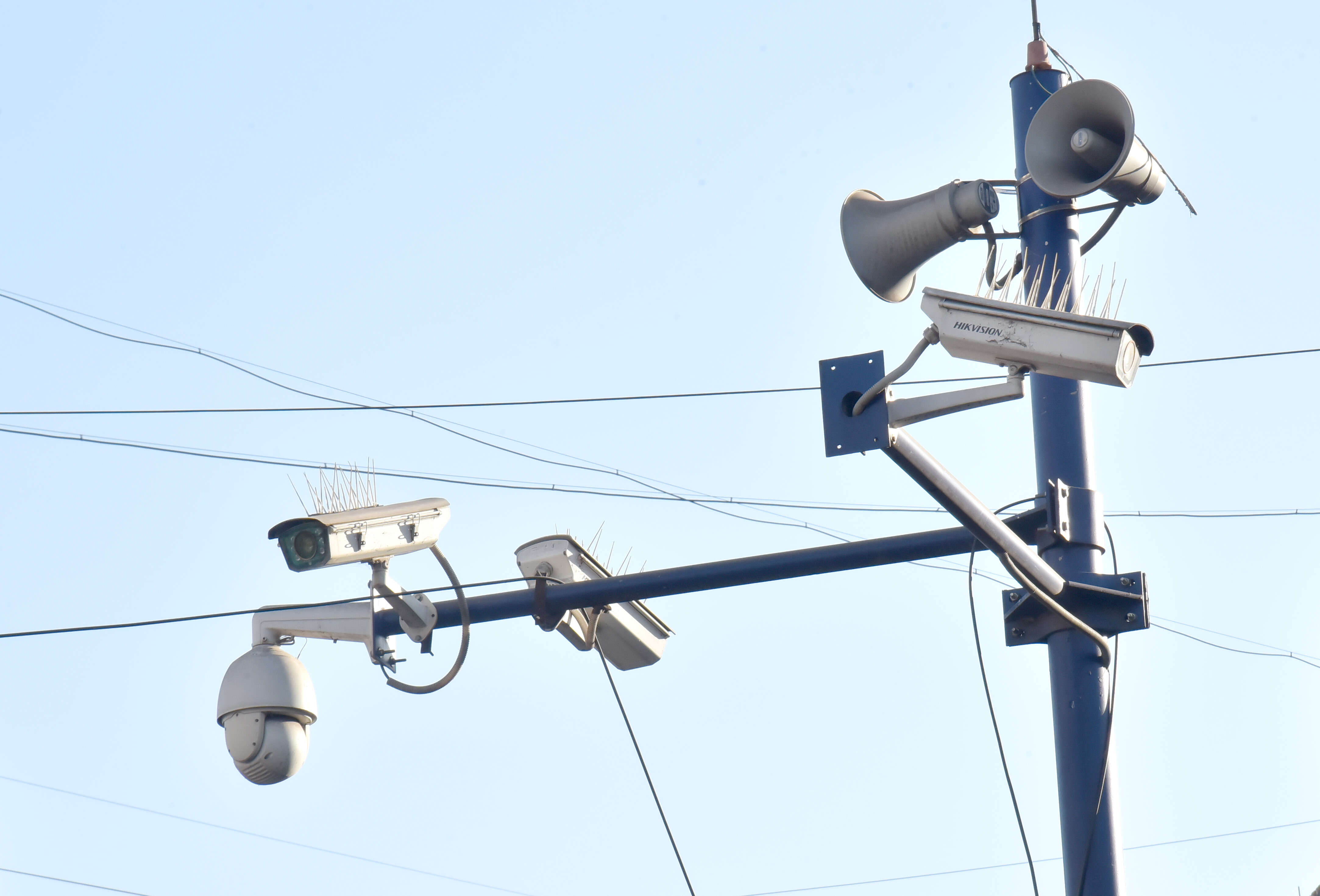
The regional transport department finalized plans to install high-definition optical surveillance networks at notorious collision zones along the vital economic arterial route. These smart cameras are equipped with automatic number-plate recognition software designed to flag speed violations and dangerous lane changes without requiring immediate physical police interception. The project aims to eliminate enforcement blind spots that have contributed to high fatality rates. Deploying advanced traffic monitoring hardware exposes infrastructural deficiencies, including inadequate lighting, poor road geometry, and inconsistent signage maintained by various municipal contractors. Coordinating responses between local highway patrol units and automated penalty dispatch centers introduces bureaucratic friction and potential data integration challenges. Public pushback regarding privacy concerns and the reliability of automated ticketing algorithms remains a persistent obstacle for regional administrators. The immediate consequence will be a sharp rise in digital challan issuances and a gradual modification of commuter driving habits along the corridor. Over time, enhanced surveillance is expected to reduce emergency response times and lower trauma-care burdens on municipal hospitals.
Comments 0